“The moment the gavel fell for 1.08 million yuan, the holographic phantom screen in Myeong-dong, Seoul, was projecting Korean fans into the virtual stage.”
On June 10, 2025, a 131cm-tall mint-green LABUBU doll sold for 1.08 million yuan at the Yongle Spring Auction, setting a trading record for trendy toys. This fang-toothed, fluffy “little monster” is not an exception – the brown version, limited to 15 pieces worldwide, was also sold at a high price of 820,000 yuan on the same occasion.

Meanwhile, scenes of young people queuing overnight to snap up products have become common on the streets of New York, London, and Tokyo: consumers in Las Vegas, USA, camped out in the early morning; stores in London were forced to remove products from shelves due to chaos caused by panic buying; and the lucky cat co-branded version in Shibuya, Tokyo, sold out within 7 minutes of its launch. In just a few months, this IP, created by a Chinese designer, has become a gift for David Beckham’s daughter, a personal accessory for Rihanna, and was even awarded the title of “Amazing Thailand Experience Ambassador” by the Thailand Tourism Authority.
Part 1 A Globally Viral Cultural Phenomenon
When the “K-pop Wave” Meets Chinese Screens

(Source: Xinhua News Agency Report – “LABUBU, Why Is It So Popular!”)
In July 2024, POP MART opened its first K-POP themed store in Myeong-dong, Seoul. Covering an area of nearly 400 square meters, the store features multi-IP themes in K-POP style and is divided into three floors. Each floor is equipped with photo check-in areas, allowing consumers to interact with their favorite IPs at any time. The first floor has a MEGA Stage built around the K-POP theme, while the third floor houses a photo area with a K-POP music video atmosphere – designed with the concept of “becoming the protagonist of an MV” – providing fans with a private space to interact with the IPs.
One year later, POP MART’s Myeong-dong store regained popularity once again: in the early morning of June 11, 2025, a scuffle involving hundreds of people broke out outside the LABUBU flagship store in Myeong-dong, Seoul, prompting POP MART to announce the suspension of offline sales in South Korea. Dubbed the “Elf Riot” by South Korean media, this incident reflects the unprecedented overseas influence of Chinese IPs.
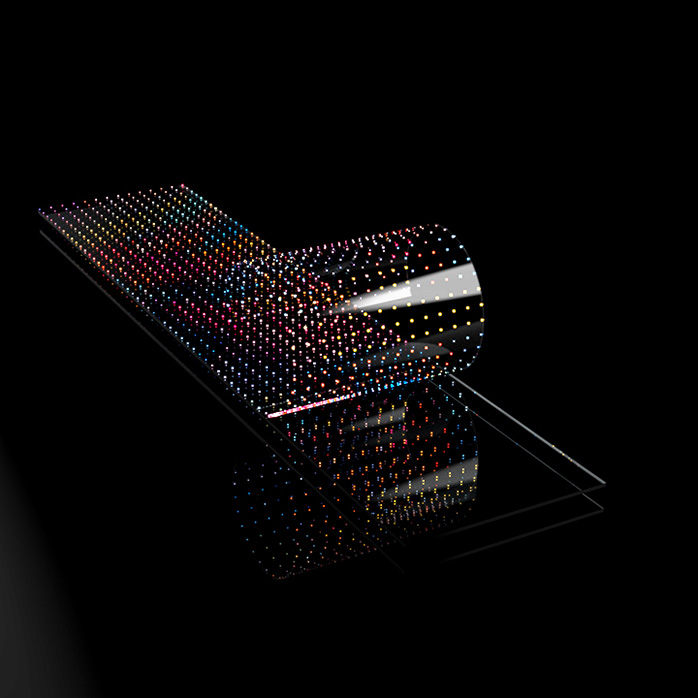
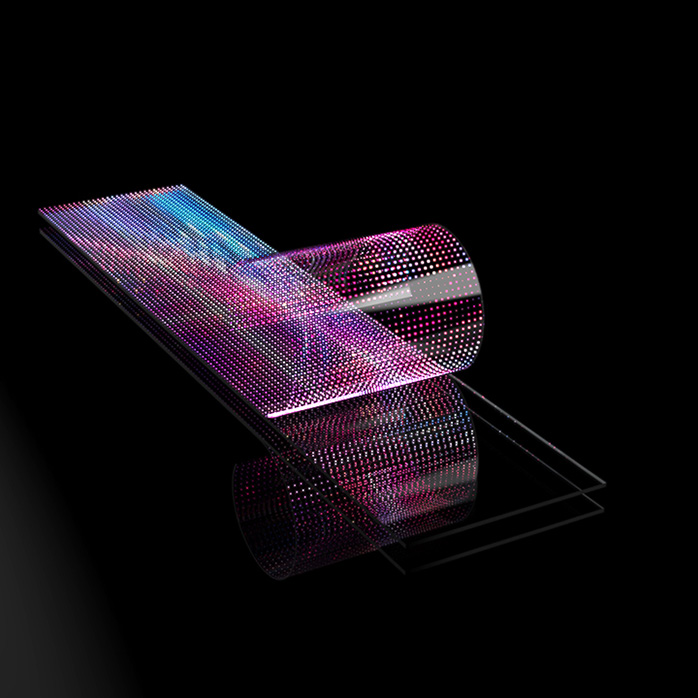
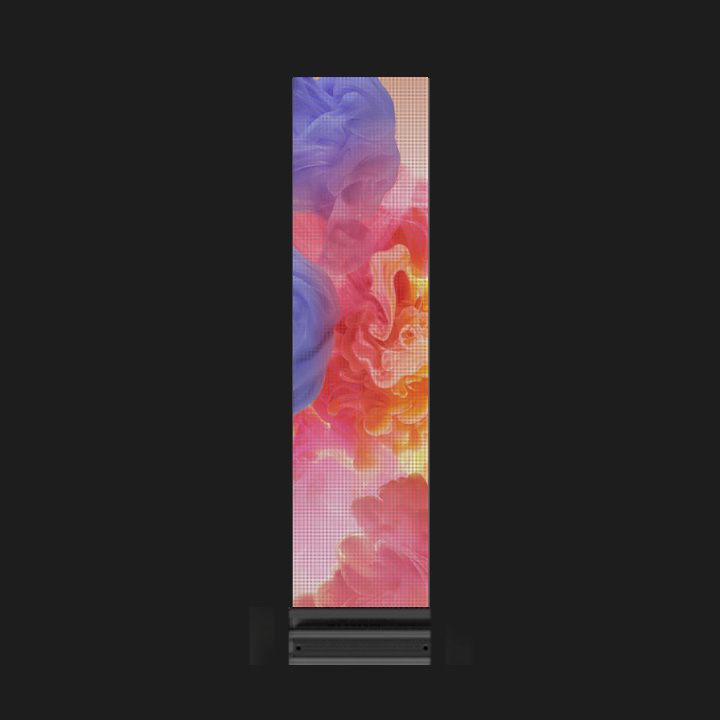
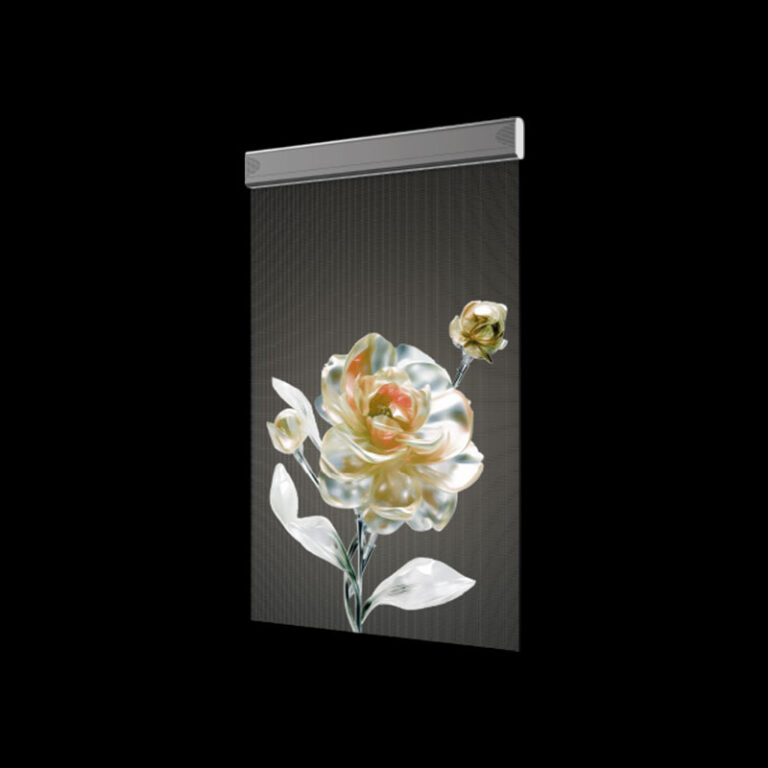
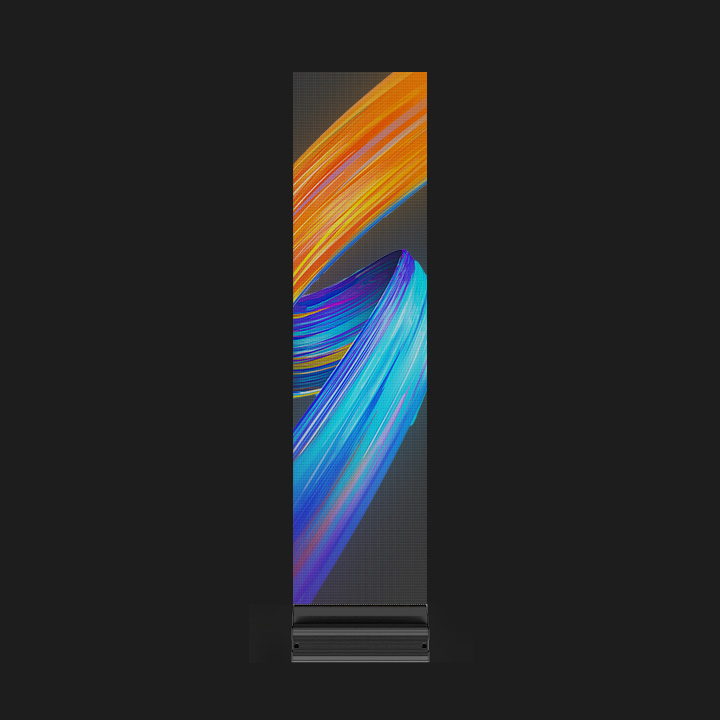
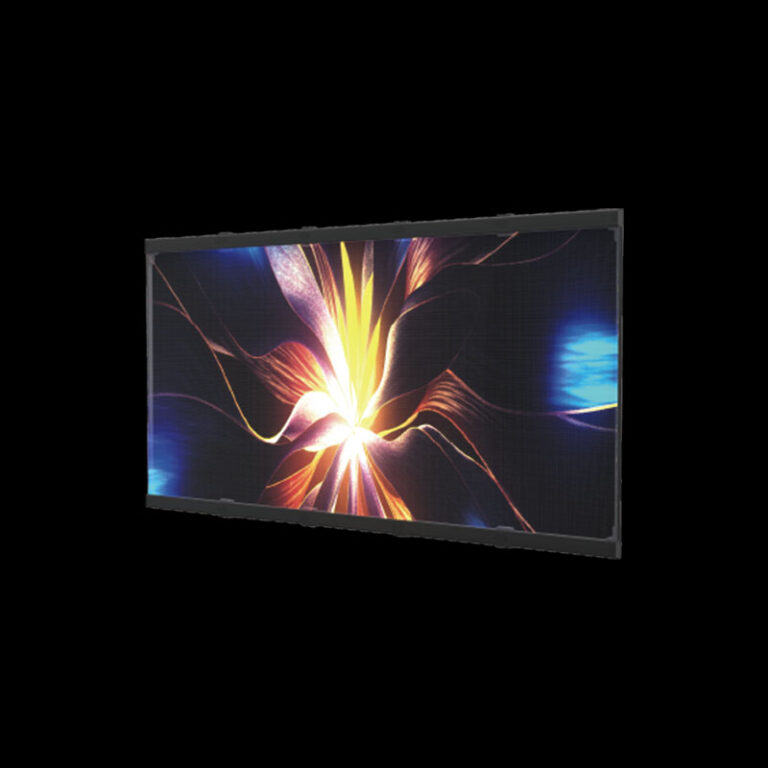
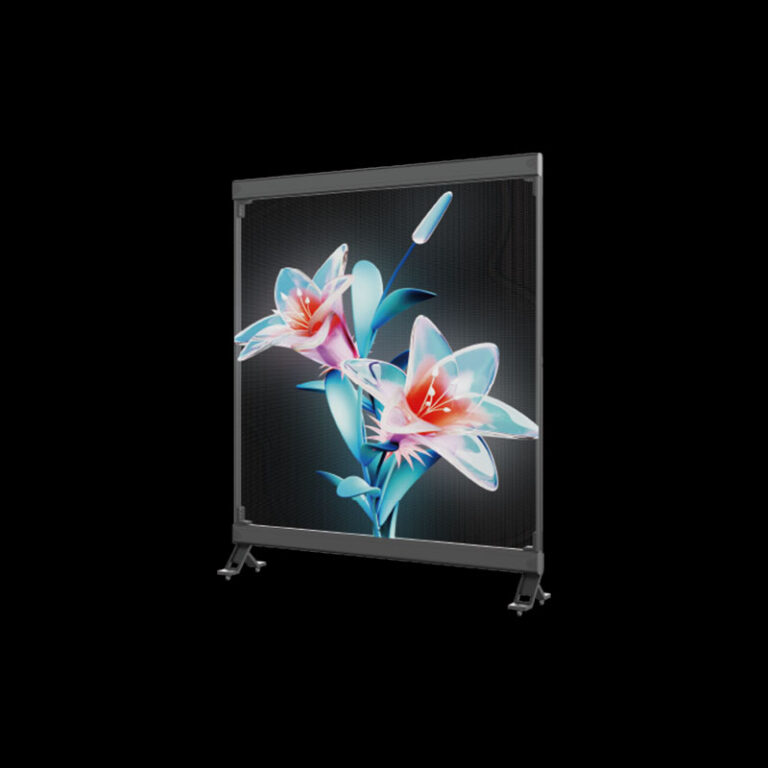
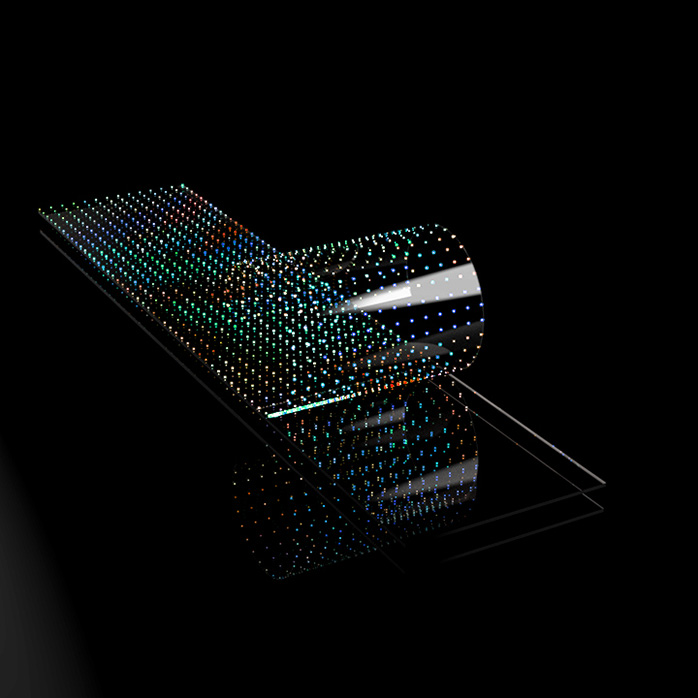
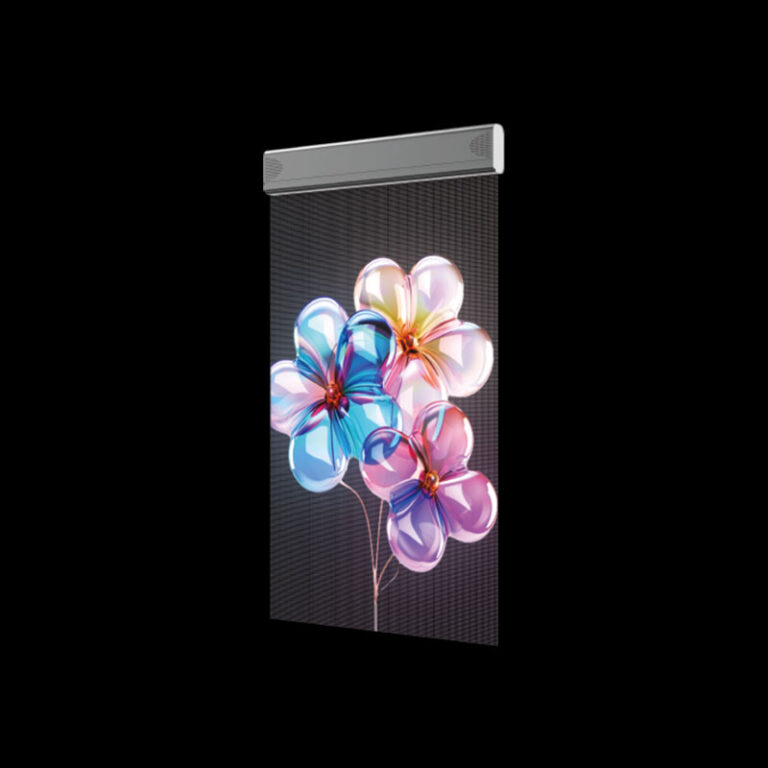
On the three-story glass curtain wall of the Myeong-dong K-POP themed store, IPs under POP MART flow across TranStarX’s LED holographic phantom screen, with LABUBU raising its right hand. Below the building, a bustling crowd of young people queues to enter the store. This LED holographic phantom screen, which attracted onlookers as early as last year, is a product independently developed by TranStarX.
In the footage of Xinhua News Agency’s report, it has become a visual fulcrum for the collision of Chinese and South Korean trendy cultures: when South Korean fans cheer for the trendy toy IPs that have been voted to “debut,” the streaming light of the screen is real-time synthesizing their images into the virtual music performance stage.
Part 2 In-depth Localization
The Global Strategy Code Behind a Single Screen
The success of POP MART’s Myeong-dong store goes far beyond the design of trendy toys itself; it lies in the immersive cultural magnetic field it has built – a model of the collaborative global expansion of Chinese technology and business acumen.

(POP MART Myeong-dong Store)
1. Cultural Resonance: From “Hardware Export” to “Scenario Co-creation”
The Myeong-dong store is located in the heart of K-POP culture, and TranStarX’s LED holographic phantom screen is deeply integrated into the store’s narrative:
The MEGA Stage on the first floor uses holographic technology to reproduce the light and shadow of idol concerts, while the MV shooting area on the third floor converts consumers’ movements into virtual avatars in real time through motion capture. This design accurately caters to South Korea’s “check-in culture” and topped Seoul’s social media trending list just 7 days after opening. Wen Deyi, President of POP MART International, said in a media interview: “In South Korea, a store is not a sales outlet, but a stage for young people to express themselves.”
The MEGA Stage on the first floor uses holographic technology to reproduce the light and shadow of idol concerts, while the MV shooting area on the third floor converts consumers’ movements into virtual avatars in real time through motion capture. This design accurately caters to South Korea’s “check-in culture” and topped Seoul’s social media trending list just 7 days after opening. Wen Deyi, President of POP MART International, said in a media interview: “In South Korea, a store is not a sales outlet, but a stage for young people to express themselves.”
2. Technological Empowerment: How the LED Holographic Phantom Screen Solves Localization Pain Points
Traditional overseas stores often struggle with “acclimatization” due to cultural barriers. In response, TranStarX has proposed the following solutions:
Dynamic Cultural Adaptation – Screen content is customizable and can be remotely updated according to festivals or hot topics;
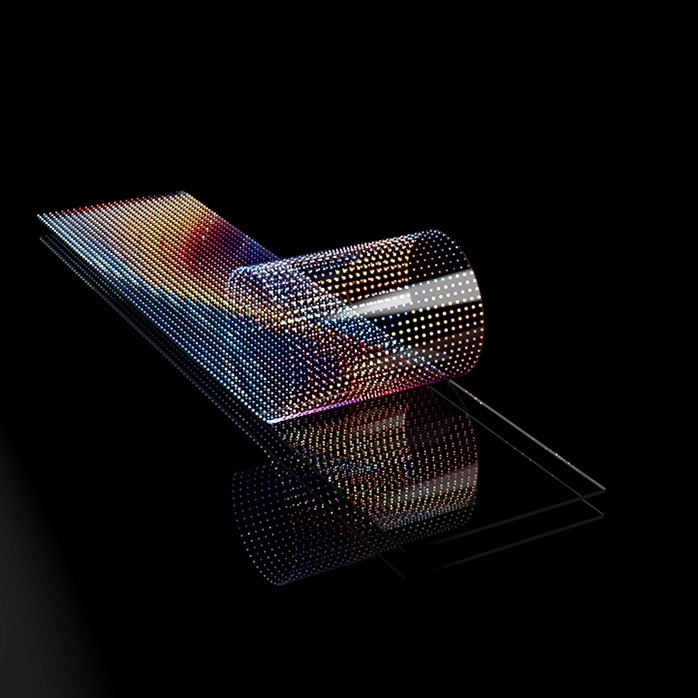
Space Efficiency Enhancement – With a light transmittance of ≥92%, it retains the window display function and increases the customer flow conversion rate by 40%.
This “technology + culture” flexible adaptation has helped POP MART stand out in the highly competitive Myeong-dong business district, with the daily average customer flow per store exceeding 5,000 person-times.
Dynamic Cultural Adaptation – Screen content is customizable and can be remotely updated according to festivals or hot topics;
Space Efficiency Enhancement – With a light transmittance of ≥92%, it retains the window display function and increases the customer flow conversion rate by 40%.
This “technology + culture” flexible adaptation has helped POP MART stand out in the highly competitive Myeong-dong business district, with the daily average customer flow per store exceeding 5,000 person-times.
Part 3 A Revelation on the Digital Global Expansion of Supply Chains
Chinese Brands and Supply Chains Moving from the Background to the Forefront
From the cooperation between TranStarX and POP MART, to the global popularity of LABUBU, and then to the resurgence of POP MART’s Myeong-dong store – all these mark a qualitative upgrade in the global expansion industrial chain of Chinese brands and supply chains, and provide a new methodology for the globalization of Chinese enterprises:
From the cooperation between TranStarX and POP MART, to the global popularity of LABUBU, and then to the resurgence of POP MART’s Myeong-dong store – all these mark a qualitative upgrade in the global expansion industrial chain of Chinese brands and supply chains, and provide a new methodology for the globalization of Chinese enterprises:
1. From OEM to Technical Standard-Setting
In the past, Chinese screen manufacturers mostly relied on OEM (Original Equipment Manufacturing) for international brands. However, TranStarX’s LED holographic phantom screen adopts independently developed nano-microcrystalline coating technology, achieving a breakthrough of 92% light transmittance and an 80,000:1 contrast ratio, making it the world’s first large-scale commercial application case in the retail scenario. As Wang Ning, founder of POP MART, put it:
“Made in China is no longer just a cost label; it has become a synonym for quality and speed.”
2. Reverse Definition of Scenario Value
POP MART originally planned to use a conventional LED display wall, but the TranStarX team innovatively proposed the LED holographic phantom screen solution to avoid affecting window displays and in-store lighting:
Dynamic windows attract passing customers, reducing customer acquisition costs by 30%; the User-Generated Content (UGC) function automatically generates short videos for each interaction, driving social fission communication. Data shows that the average transaction value of stores equipped with this screen is 65% higher than that of ordinary stores, confirming the direct value-added effect of technology on the consumer experience.
Dynamic windows attract passing customers, reducing customer acquisition costs by 30%; the User-Generated Content (UGC) function automatically generates short videos for each interaction, driving social fission communication. Data shows that the average transaction value of stores equipped with this screen is 65% higher than that of ordinary stores, confirming the direct value-added effect of technology on the consumer experience.
3. Technological Anchor: Softening Cultural Barriers with Hard Technology
The immersive viewing experience brought by TranStarX’s LED holographic phantom screen dispels the “sense of foreignness” of Chinese IPs like LABUBU. When South Korean consumers cheer for the customized “Kimchi LABUBU” on the screen, technology has become a catalyst for cultural identity. This is similar to POP MART’s LABUBU temple-themed store in Thailand – localization is never just simple symbol pasting, but in-depth empathy supported by technology.
Part 4 In the World’s Showcase Illuminating the Light of Chinese Creation
When the camera of Xinhua News Agency freezes the gorgeous light and shadow of POP MART’s Myeong-dong store, behind it is a symphony of Chinese technology and trendy toy IPs. The value of TranStarX’s LED holographic phantom screen has long gone beyond the hardware itself – it is not only a medium for cultural global expansion, but also a translator for localization, and more importantly, a manifesto of Chinese supply chains moving from “being integrated” to “defining standards.”
Note: The materials of this article are sourced from Xinhua News Agency, POP MART’s financial reports, and industry interviews, with data as of June 2025. TranStarX is the technology provider for this case, and our company has applied for more than 10 patents for the LED holographic phantom transparent screen technology.