“When Culture No Longer Lies Dormant Only on Exhibition Boards”
Thirty miles west of Jinan, the “Spring City,” Shuangquan Village in Mashan Town is shrouded in mist at dawn. A koi farmer flicks on the aerator in the feeding pond; the splashing water startles a “Showa Sanshoku” koi—a former champion of China’s Premium Koi Competition—swimming toward the light and shadow at the pond’s bottom.
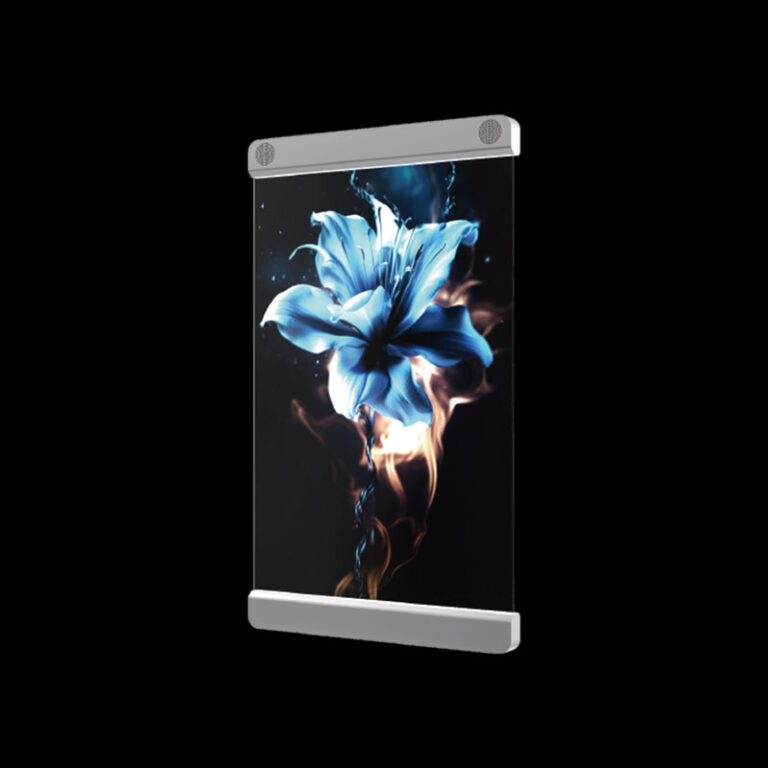
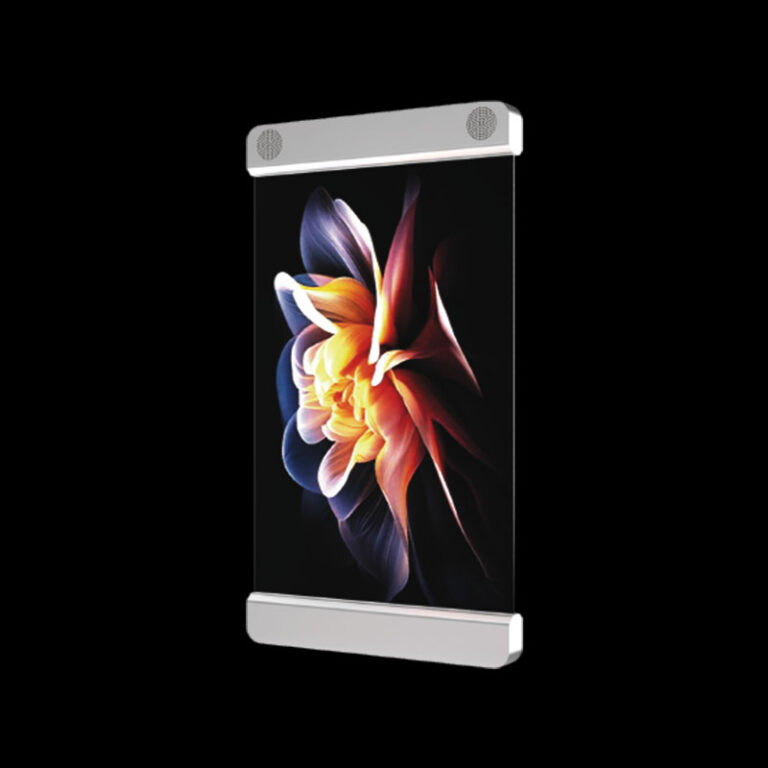
Above the water, a massive school of giant koi displayed on TranStarX’s LED Holographic Invisible Screens hovers mid-air, merging with the dark green of distant mountains to form a magical scene titled “Koi Leaping Over Green Mountains.”
“Tourists used to leave right after taking photos of the fish ponds, but now they chase the holographic koi with their phones to take group shots,” says a project operator, pointing to the AR QR code on the LED Holographic Invisible Screens attached to the glass curtain wall. “Last week, some young people scanned it and got a ‘Lucky Talisman’—they posted a video on Douyin that racked up over a million views.”

This is an everyday sight at Mashan Hundred-Mile Rural Resort. While over 70% of rural tourism projects across China are trapped in the homogeneity dilemma of “homestays + fruit picking,” this rural complex—centered on koi farming and covering 10 villages—has activated the cultural genes of Bian Que’s hometown (Bian Que was an ancient Chinese physician) through TranStarX’s LED Holographic Invisible Screen technology, achieving a counter-trend 140% growth in visitor flow in 2025.
Project Overview
Located in Shuangquan Village, Mashan Town, Mashan Hundred-Mile Rural Resort is the permanent venue for China’s Premium Koi Competition. Leveraging industrial advantages in koi farming, Chinese herbal medicine cultivation, and ecological agriculture, it has been developed into a rural resort integrating ornamental fish farming, national-level themed events, and wellness homestays.
Following the development concept of “Centering on one koi, developing one industry, and driving regional growth,” the resort takes Shuangquan Village as its core and covers 10 villages. It comprises three key components:
- The Cloud Koi Boutique Garden, which integrates koi farming, observational study tours, and competition functions;
- The Hundred-Mile Mashan Resort Area, featuring a waterfront boardwalk, a village main street (with restaurants, bars, and homestays), and an art square;
- The Future Ecological Farm, combining an ecological farm amusement park, a campsite, and an entertainment and commercial zone.
The resort creates a new space that aligns with modern pursuits of “exquisite agriculture, exquisite countryside, and exquisite life.” Thanks to its development, Mashan Town has been named the “Permanent Venue for China’s Premium Koi Competition,” and Jinan has earned the title of “China’s Famous Koi City.”
Overcoming Pain Points
The “Voice Loss” of Bian Que’s Hometown
Tourists hurried past walls covered with cultural exhibition boards; after the 4th China Premium Koi Competition, homestay occupancy rates plummeted by 70%; and the resort—spanning 10 villages—felt like a charming yet frustrating maze. Despite holding two major “assets”—the titles of “China’s Famous Koi City” and “Hometown of Bian Que Culture”—a preliminary project survey revealed:
- 72% of tourists could not distinguish between different koi varieties;
- 89% were unaware of the connection between Mashan and Bian Que.
“Culture was reduced to exhibition boards on walls, and homestays became mere backdrops for photos,” says a project operator, recalling the anxiety of late-night work sessions. “We held a ‘golden bowl’ (valuable cultural and industrial resources) but couldn’t hold onto the ‘flowing water of visitor traffic.'”

Covering 23 square kilometers, the resort is divided into three major areas: Farm Lab (Nongku), Koi Village, and Farm. Koi Village, in turn, offers diverse vacation formats, split into three sub-areas: a homestay cluster, a leisure block, and a traditional village-style tourist zone. The circulation routes are so intricate that traditional signboards led to 30% of tourists getting lost during the competition, with the average daily walking distance exceeding 8 kilometers.
“During the koi competition, daily visitor flow exceeded 10,000, but it dropped by 70% right after the event,” the operator explains, using a vivid metaphor: “We were like fireworks during Chinese New Year—brilliant but fleeting.” This encapsulates the biggest pain point of rural cultural tourism.
Empowerment Through Technology
Reconstructing Rural Rules: The “Invisible Revolution” of Holographic Screens

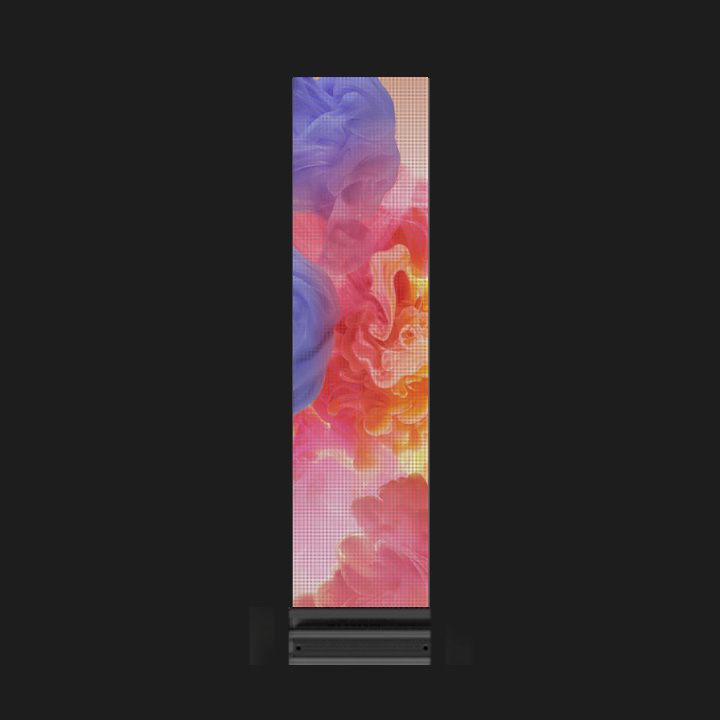
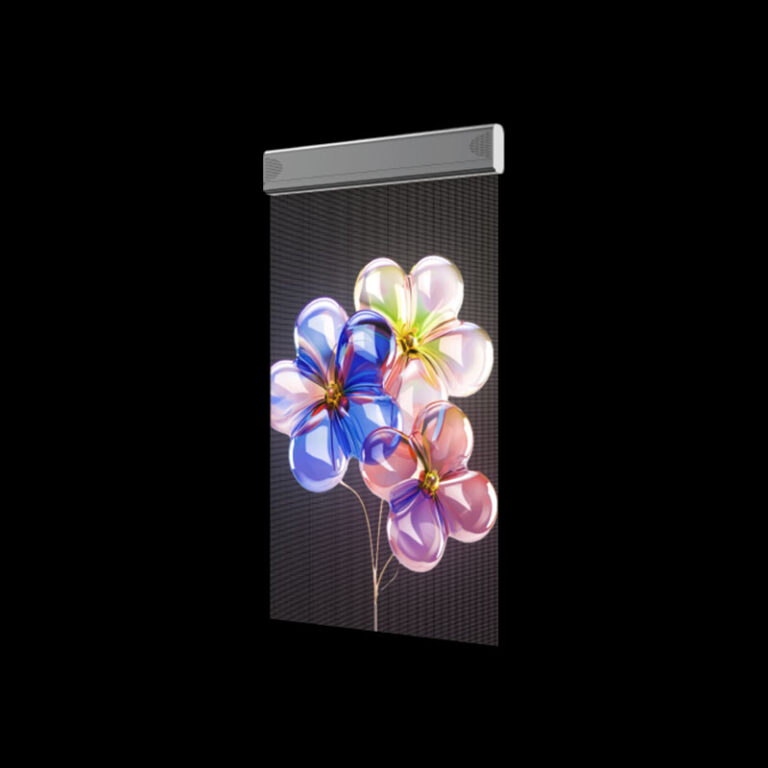
At Farm Lab (Nongku), the resort’s core landmark, TranStarX’s LED Holographic Invisible Screens are driving a spatial revolution:
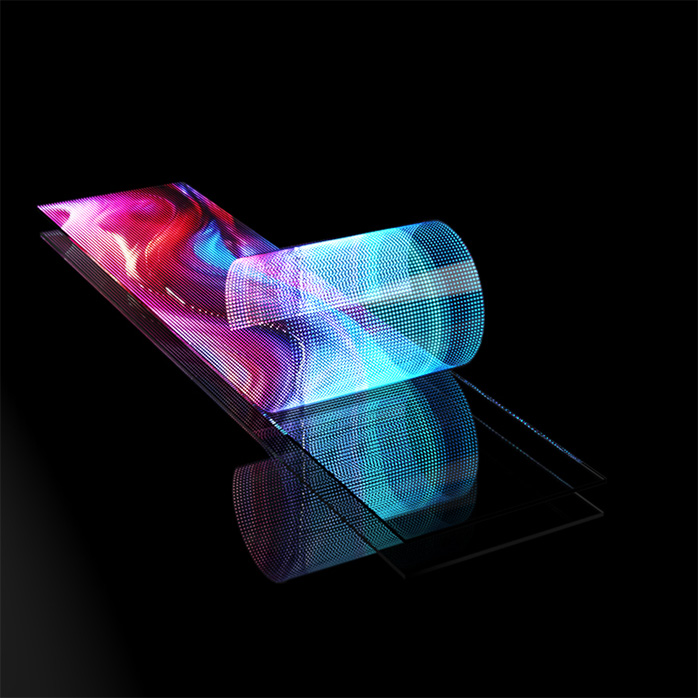
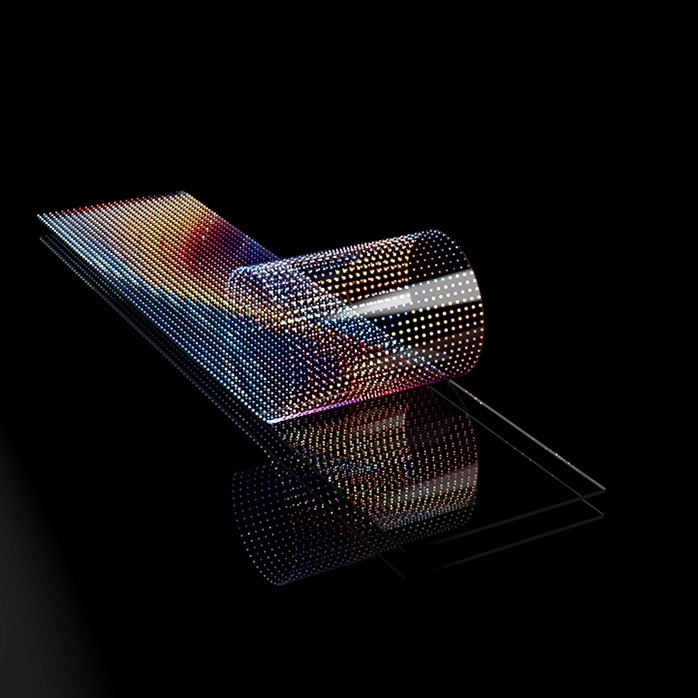
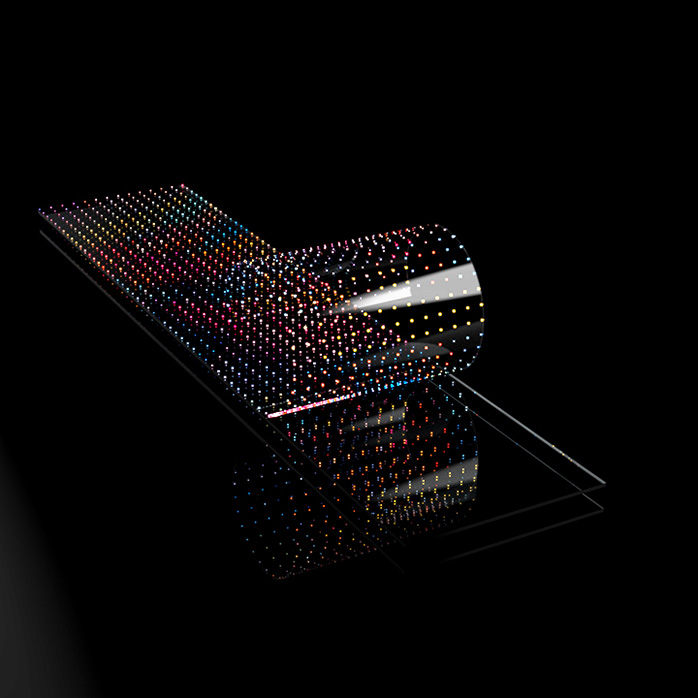
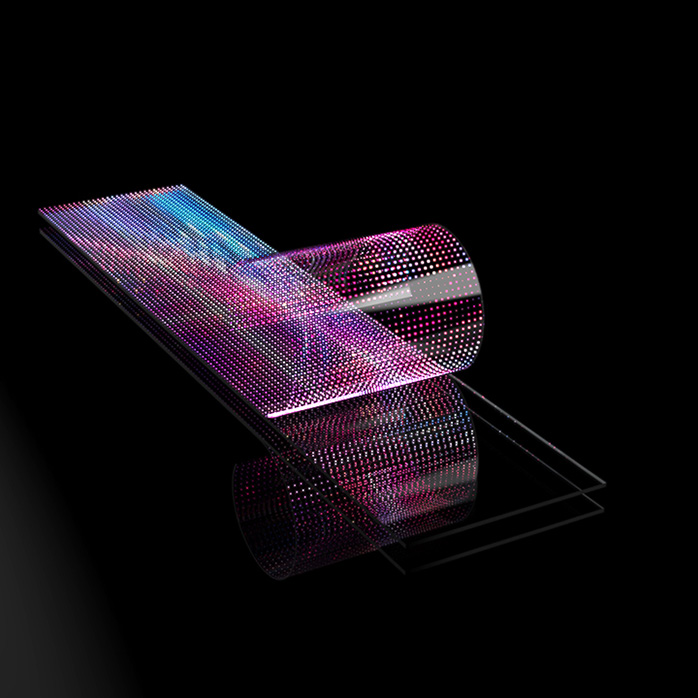
- During the day, the screens are nearly invisible. With a light transmittance of 93.4%, sunlight penetrates the glass unobstructed, and the koi on the screens complement the light and shadow of distant mountains reflected on the glass;
- At night, this “glass skin” comes alive quietly—a school of koi with 2304 PPI precision swims in front of the real mountain scenery. When visitors reach out to touch them, the 3D koi “swim as if there is nothing supporting them,” just like in ancient Chinese descriptions of aquatic life.
“Without adding a single brick or tile, we let old buildings tell new stories,” says a TranStarX representative. The LED Holographic Invisible Screens achieve cultural scene reconstruction with zero space occupation, becoming a key traffic magnet that activates the cultural and tourism value of the area.
“The most stunning part is the night ecological theater,” says Zhang Wei, a study tour instructor from Beijing, showing a video: In front of the real mountain backdrop, a holographic figure of Bian Que picks Chinese herbs; a light tap of his finger brings up floating subtitles from Compendium of Materia Medica (an ancient Chinese medical classic). “This is ten times more vivid than a textbook!”
More crucial transformations are happening “behind the scenes,” invisible to visitors:
- Solving the circulation maze: Holographic screens at intersections act as intelligent guides. By scanning a QR code, visitors are led through villages by virtual koi—eliminating lost complaints entirely;
- Reviving Bian Que culture: At the screen in the center of the 4th-floor exhibition hall in Farm Lab, visitors mimic pulse-taking gestures, and meridian animations flow with their fingertips—boosting cultural transmission efficiency by 3.8 times;
- Retaining event traffic: “Lucky Talismans” generated from AR group photos went viral on social platforms, keeping homestay occupancy rates at a high of 65% during the post-competition off-season, against the industry trend.

Benefit Decoding
The Survival Formula of the Digital Rural Resort
Late at night in the cultural center, the last group of tourists holds up their phones to chase the champion koi swimming on the curtain wall. A TranStarX engineer sums up their mission across projects: “The highest realm of technology is invisibility. When tourists think they are touching the mountains and waters, the technology has truly merged into the land.”
TranStarX’s LED Holographic Invisible Screens—dubbed “breathing glass”—are reconstructing the underlying operational logic of Mashan Hundred-Mile Rural Resort:
- Rewriting the cost formula: Compared with traditional LED screens (1200W/㎡ energy consumption), the holographic screens use less than 370W/㎡, saving 346,000 yuan in annual electricity bills;
- Subverting the traffic formula: Millions of exposures during the competition are converted into private domain assets through the “scan-interact-convert” loop, with a 34% secondary consumption conversion rate—far exceeding the industry average;
- Awakening the cultural formula: An AI-powered Bian Que “consults patients” in front of the glass curtain wall, with tourists staying an average of 23 minutes. Children chase virtual herbal farmers to learn about various medicinal plants.
Standing on the newly built viewing platform, a project operator points to the glass curtain walls amid the clouds and mist: “These seemingly transparent screens are reconstructing the genes of rural cultural tourism.” As the last ray of sunset skims the mountain ridge, the holographic figure of Bian Que on TranStarX’s LED Holographic Invisible Screen strokes his beard and smiles. An ancient maxim emerges in the dusk: “The top-tier doctor heals the nation, the middle-tier doctor heals people, and the bottom-tier doctor heals illnesses.” Today, Mashan is using the “technique” of technology to activate the “Tao” (essence) of culture—writing a contemporary “prescription” for rural revitalization.