TranStarX Technology (Shenzhen) Co., Ltd. – Exclusive Service System for Advertisers
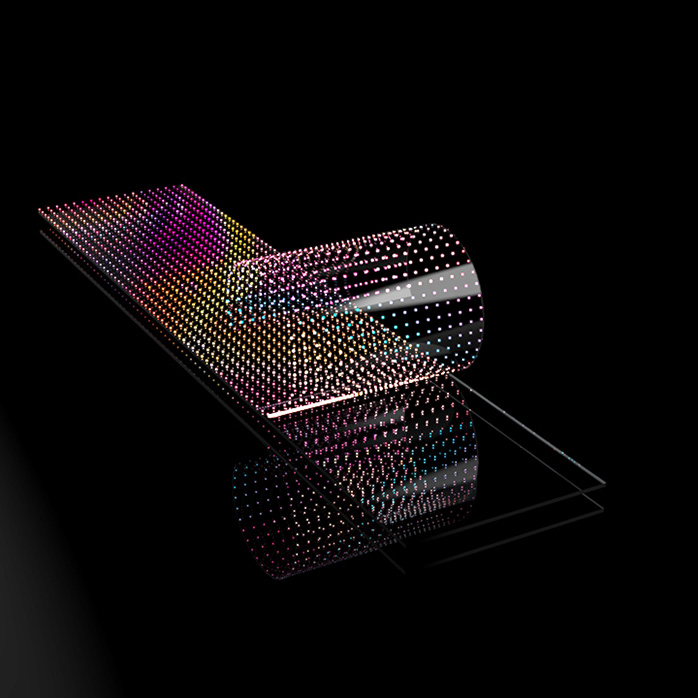
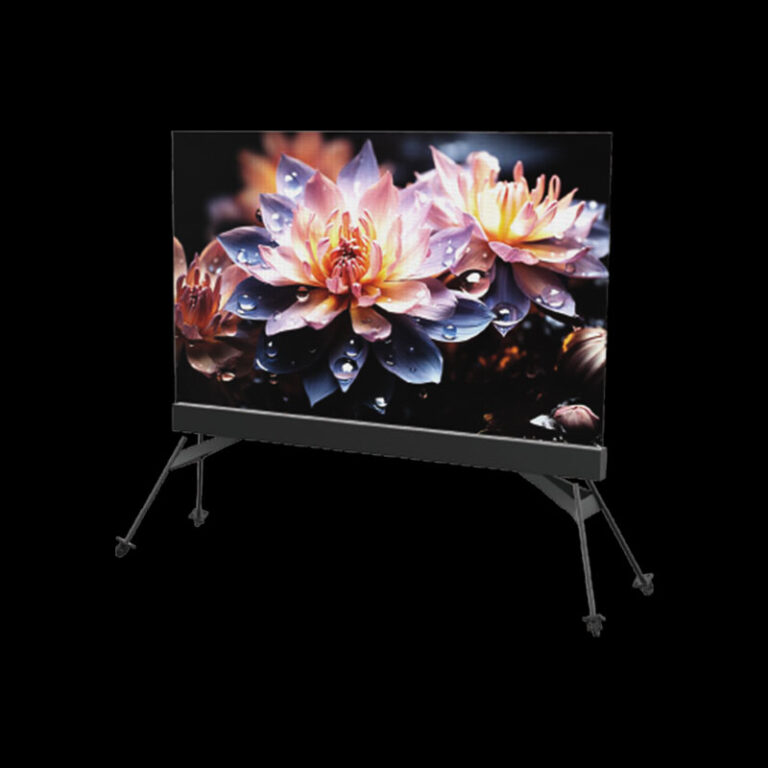
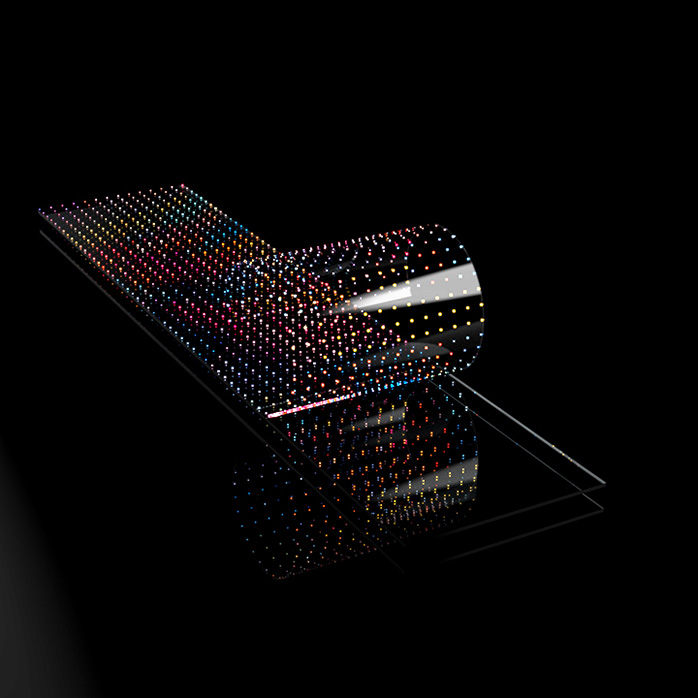
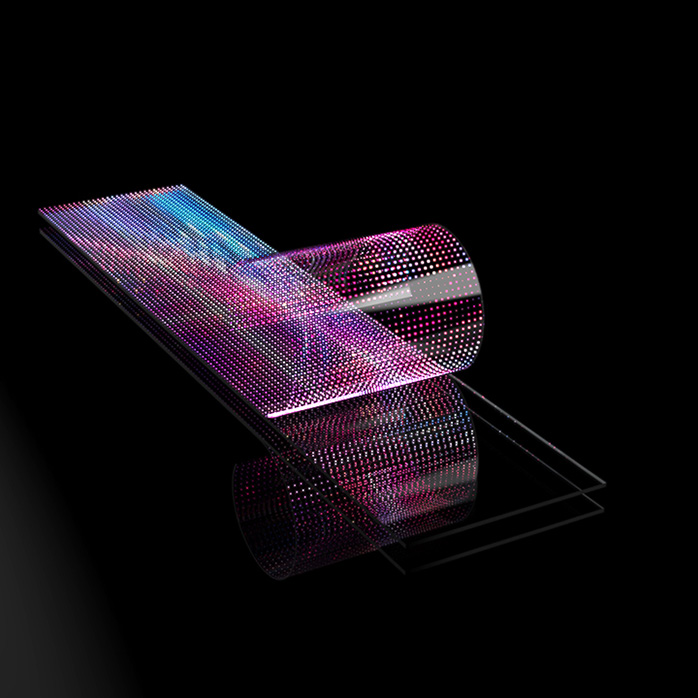
As a technology-driven manufacturing enterprise under Hainan Xinshi Group, specializing in the LED transparent display field, TranStarX Technology (Shenzhen) Co., Ltd. is deeply engaged in the R&D and application of core products such as COB Crystal Core Screens, COB Holographic Screens, and COB Optoelectronic Glass. Leveraging independently developed breakthroughs in COB packaging technology (with a minimum lamp bead pitch of 0.4mm), ultra-high light transmittance technology (up to 95%), and low power consumption (only 3% of traditional screens), it provides display solutions featuring “high transparency, strong creativity, and low loss” for advertising scenarios. To empower advertiser partners to enhance advertising communication effects and expand business boundaries, based on the concept of “professional technical support, standardized service guarantees, and customized creative empowerment,” our company has customized a full-process exclusive service system for advertisers, helping them build differentiated competitive advantages and maximize commercial value.
I. Customized Product Solutions for Advertising Scenarios: Matching Diverse Needs and Enhancing Advertising Visual Impact
Based on the core needs of the advertising industry – “diverse scenarios, creativity first, and precise audience targeting” – our company tailor-makes customized product solutions covering all scenarios for advertisers, ensuring that product performance is highly aligned with advertising communication goals and enhancing the attractiveness and memorability of advertisements.
1. Scenario-Based Product Selection and Customization
- In-depth Preliminary Demand Research: Arrange professional product consultants to connect with advertisers, and clarify core information through the Advertising Scenario Demand Survey Form – including advertising placement scenarios (commercial windows, building curtain walls, convention centers, subway/airport light boxes, automobile 4S store showrooms, etc.), target audiences (young consumer groups/business people/family groups), communication goals (brand exposure/product promotion/interactive traffic generation), installation environment (indoor/outdoor, normal temperature/high-low temperature, humid/dry), and creative needs (static images/dynamic videos/touch interaction). A standardized demand analysis report is formed to serve as the basis for product selection and customization.
- Full-Scenario Product Solution Output: Provide exclusive product combinations for different advertising scenarios to ensure technical characteristics match scenario needs:
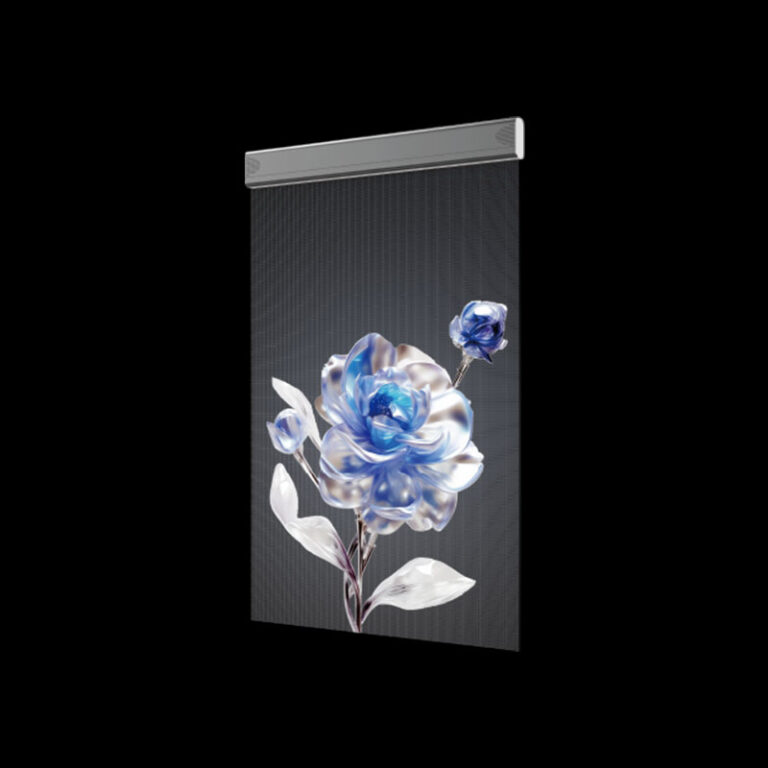
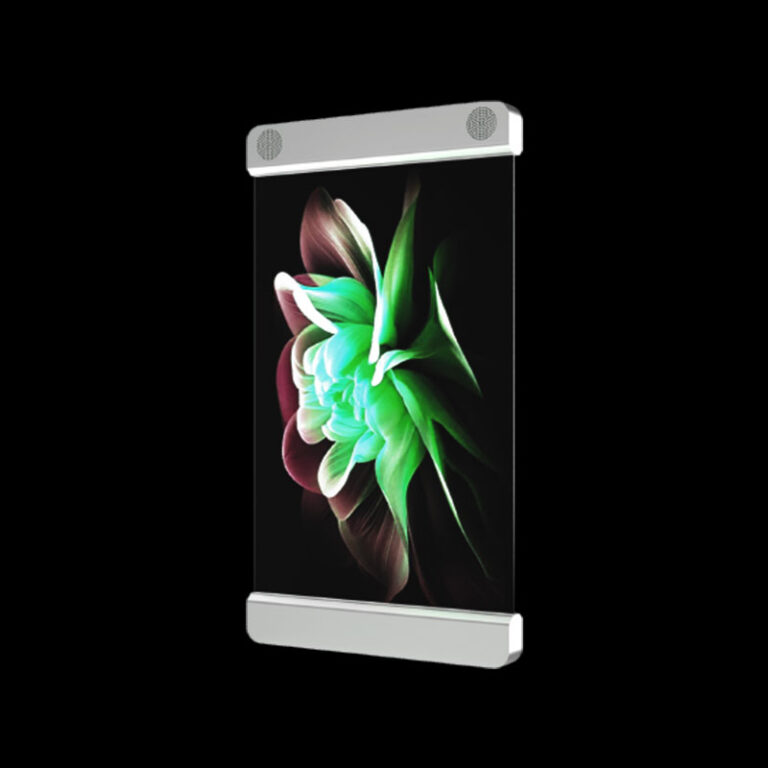
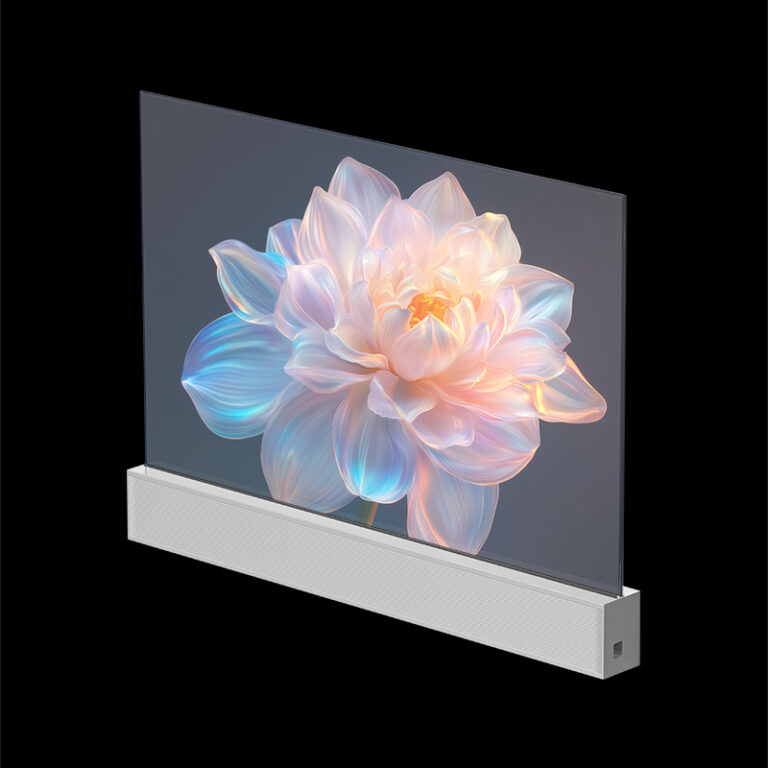
- Commercial Window Advertising Scenarios: Promote Crystal Core Transparent Screens (e.g., TSX-JXIVW-P3.75A/P5.0A). Relying on ultra-high light transmittance of 92%-95%, they achieve the effect of “invisible screen body and floating content” – without blocking exhibits in the window while attracting passersby’s attention through dynamic images. They support left-right/up-down splicing of screens (enabling 2-2.4m display height/width) to adapt to windows of different sizes, and also provide customized screen shapes (e.g., curved, special-shaped) to meet creative window design needs.
- Building Curtain Wall Advertising Scenarios: Provide Optoelectronic Glass (e.g., TSX-LEGL-P3.91/P5.0), which adopts a “LED Crystal Core Screen + double-layer tempered glass” sandwich structure. It features resistance to high and low temperatures (-30℃ to 60℃), humidity, and impact, making it suitable for harsh outdoor environments. It supports large-area splicing (a single glass panel can achieve a maximum display size of 1.2m×2.4m), allowing the entire building curtain wall to be transformed into a giant advertising screen. This achieves the communication effect of “transparent during the day without affecting the building’s appearance, and glowing at night to become a city landmark.” Meanwhile, its power consumption is only 3% of traditional outdoor LED screens, significantly reducing advertisers’ long-term operating costs.
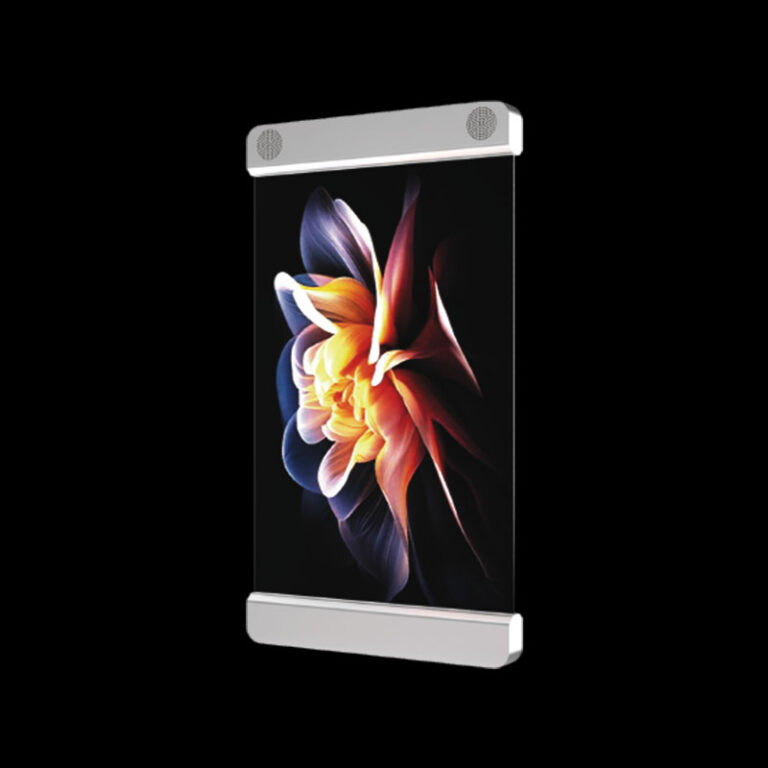
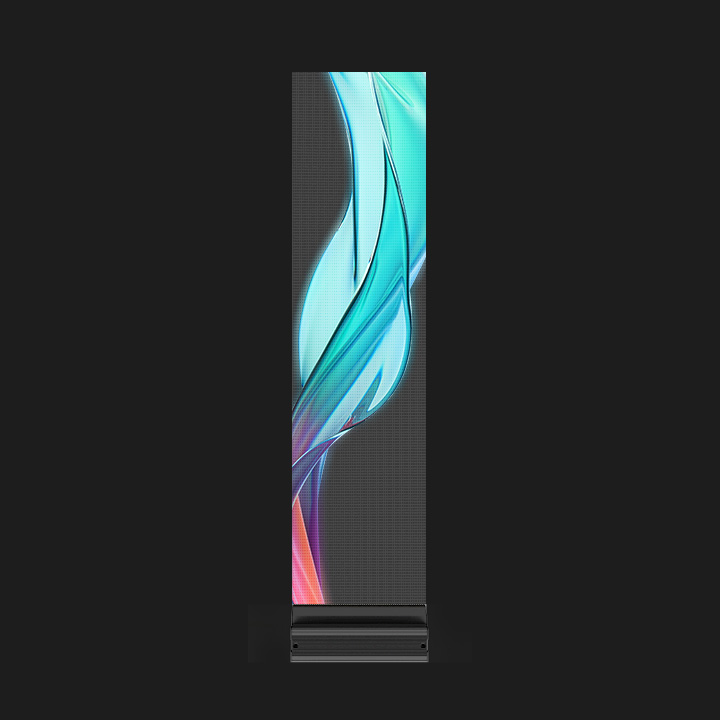
- Temporary Advertising Scenarios for Exhibitions/Events: Recommend Holographic Phantom Invisible Screens (e.g., TSX-QXIQJ-P2.5S/P3.91S). With a screen thickness of less than 2mm and light weight (≤5kg per square meter), they adopt a keel-free fixing design and can be quickly attached to temporarily built glass exhibition walls or truss structures, increasing installation and disassembly efficiency by 60%. With a perceived transparency of over 80% and bendable characteristics, they can create “holographic floating” advertising effects, adapting to temporary advertising scenarios such as exhibitions, product launches, and pop-up stores, and meeting the needs of high-frequency scenario switching.
- Customized Technical Parameter Adjustment: For advertisers’ special needs (e.g., ultra-high brightness, touch interaction, multi-screen linkage), provide technical parameter customization services – for example, in outdoor advertising scenarios, product brightness can be increased to 5000nits (to ensure clear display in strong light); in commercial interactive advertising scenarios, capacitive touch functions can be integrated (supporting multi-touch and gesture operations); in multi-screen linkage scenarios, independently developed synchronization control systems can be pre-installed (ensuring synchronization error of images across multiple screens ≤0.1 seconds). For all customization needs, our R&D team issues a Technical Feasibility Report, specifying the customization cycle (7-15 working days for regular customization), cost accounting, and quality standards to ensure customized products meet advertising communication expectations.
2. Creative Visual Preview Services
- 3D Modeling Preview of Advertising Effects: Based on the selected product solution and advertising scenario, our design team builds a 3D scenario model, integrates advertising content (static images/dynamic videos) with product display effects, and generates a visual preview video (supporting 4K resolution, with a duration of 30 seconds to 5 minutes). This intuitively presents the actual effect of the advertisement after placement (e.g., the overlapping effect of “exhibits + screen display content” in window advertisements, and the integration effect of “building appearance + dynamic images” in curtain wall advertisements), helping advertisers predict communication effects in advance and optimize creative solutions.
- Sample Experience and Effect Testing: Provide advertisers with small physical samples of corresponding products (e.g., 30cm×30cm Crystal Core Transparent Screen samples, 50cm×50cm Optoelectronic Glass samples), along with brightness testers and light transmittance detectors. This allows advertisers to test product display effects in their own scenarios (e.g., image clarity under different light conditions, response speed of touch functions). At the same time, advertisers can import advertising materials into the samples for actual playback testing to ensure product effects are highly aligned with creative needs.
II. Support for Integration of Advertising Creativity and Technology: Breaking Traditional Limitations and Enabling Creative Implementation
Relying on product technical advantages, our company provides “technology + creativity” integration support for advertisers, helping them break through traditional display limitations, realize more innovative and interactive advertising forms, and improve advertising communication efficiency and user participation.
1. Technical Adaptation Guidance for Creative Solutions
- Establish a “Creativity-Technology” Docking Mechanism: After advertisers submit creative solutions, our company arranges a special team composed of creative consultants and technical engineers to jointly review the feasibility of the solutions. For example, for the “transparent screen + AR interaction” advertising creative, technical engineers will evaluate the compatibility between the AR recognition algorithm and screen display delay, and provide suggestions for optimizing camera installation positions and recognition ranges; for the “dynamic curtain wall advertising” creative, they will plan screen splicing methods and image playback logic based on the building’s structural characteristics to ensure the creative solution is technically feasible.
- Provide Reference for Technical Creative Library: Regularly update the Advertising Creative Technology Application Library, which collects innovative cases in the industry (e.g., luxury window advertisements combining “transparent screens + physical exhibit linkage,” automobile 4S store advertisements combining “holographic screens + 3D vehicle display”). It marks the product models, core technologies (e.g., multi-screen synchronization control, touch interaction technology), and implementation processes applied in the cases. At the same time, it provides creative templates (e.g., holiday-themed advertising templates, promotional event advertising templates) with built-in image resolution and dynamic effect parameters adapted to our products. Advertisers can directly apply the templates or optimize them based on the templates, reducing creative R&D costs.
2. Interactive Technology Integration Support
- Basic Interactive Function Integration: Equip advertising products with standard basic interactive modules, including infrared sensor interaction (when passersby approach within 1-3 meters of the screen, it automatically switches advertising content or triggers interactive animations) and touch interaction (supporting single/multi-touch, enabling functions such as “click to view product details, slide to switch images”). Provide standardized interactive control software (supporting Windows/Android systems, with a visual editing interface, allowing advertisers to customize interactive logic without programming), along with the Interactive Function Operation Manual containing function debugging steps and solutions to common problems.
- Advanced Interactive Technology Customization: For advertisers’ special interactive needs (e.g., face recognition interaction, gesture control interaction, big data linkage interaction), provide advanced technical customization services. For example, in retail advertising scenarios, face recognition technology can be integrated (to identify the age and gender of the audience and push personalized advertising content); in cultural tourism advertising scenarios, gesture control technology can be integrated (to manipulate advertising images through gestures in the air to enhance fun). For all customized projects, our technical team is responsible for scheme design, software development, and on-site debugging to ensure stable operation of interactive functions (response delay ≤0.3 seconds, recognition accuracy ≥95%), and provides 3 months of technical run-in support, during which interactive effects are optimized and adjusted for free.
III. Standardized Installation and Operation & Maintenance Services: Ensuring Stable Advertising Placement and Reducing Operating Costs
In response to the characteristics of the advertising industry – “tight placement cycles and high losses from downtime” – our company has built a standardized installation and operation & maintenance service system to ensure advertising screens are quickly implemented and operate stably, minimizing advertisers’ operational risks and costs.
1. Efficient Standardized Installation Services
- Pre-Installation Planning of Installation Schemes: 7 working days before product delivery, our installation team connects with advertisers and issues an Installation Implementation Plan based on the advertising scenario (e.g., window structure, curtain wall material, indoor/outdoor environment). This clarifies the installation process (including standard steps and durations for site survey, foundation construction, screen installation, circuit connection, and commissioning acceptance), personnel allocation (1-5 professional installation team members based on project scale), equipment and tool list (e.g., glass suction cups, laser levels, insulation testers), and safety protection measures (equipping high-altitude operation equipment and safety ropes for outdoor installation, and taking dust and moisture protection measures for indoor installation). The plan is implemented only after confirmation by the advertiser to avoid scenario adaptation problems during installation.
- Rapid Implementation and Acceptance: The installation team strictly implements the Installation Implementation Plan to ensure small and medium-sized projects (e.g., window advertisements, small exhibition advertisements) are installed and commissioned within 24 hours, and large-scale projects (e.g., building curtain wall advertisements, airport light box advertisements) are completed within 72 hours (the cycle can be shortened through negotiation in special cases). After installation, acceptance is conducted in accordance with the Product Installation Acceptance Standards, including display effect testing (image clarity, brightness uniformity, color reproduction), interactive function testing (response speed, recognition accuracy), and safety performance testing (circuit insulation, screen fixing firmness). After passing the acceptance, an Installation Acceptance Report is issued, specifying the start time of the warranty period (2-year warranty for regular products, 3-year warranty for core components) and contact information for subsequent operation & maintenance.
2. Full-Cycle Operation & Maintenance Guarantee Services
- 7×24-Hour Fault Response: Establish an “advertiser-exclusive operation & maintenance channel.” Advertisers can submit fault requests through three methods: the service hotline (400-001-2281), the WeChat Work operation & maintenance group, and the official website operation & maintenance portal. The operation & maintenance specialist responds within 15 minutes and remotely diagnoses the cause of the fault within 30 minutes (e.g., checking screen operation parameters and image logs through remote control software). If the fault cannot be resolved remotely (e.g., hardware failure), nearby operation & maintenance engineers are dispatched for on-site service within 2 hours (arriving within 24 hours in urban areas, 48 hours in suburban areas, and 72 hours in remote areas), minimizing advertising downtime (single fault repair time ≤8 hours, major fault repair time ≤24 hours).
- Regular Inspections and Preventive Maintenance: Implement a “quarterly regular inspection” system. The operation & maintenance team conducts a comprehensive inspection of advertising screens every quarter, including hardware inspection (lamp bead brightness attenuation, circuit aging, heat dissipation system operation status), software inspection (control system stability, interactive function compatibility), and environment adaptation inspection (corrosion resistance of outdoor screens, dust and moisture protection of indoor screens). A Quarterly Inspection Report is issued, marking potential risks (e.g., lamp bead brightness attenuation exceeding 10% requiring replacement, circuit insulation layer damage requiring repair) and handling suggestions. For products that have been in operation for 1 year, free “annual in-depth maintenance” services are provided (including screen cleaning, heat dissipation system cleaning, and software upgrading) to extend product service life (regular products can be used for 5-8 years, and up to 10 years with proper maintenance).
- Operation & Maintenance Cost Optimization Support: Provide an Operation & Maintenance Cost Optimization Plan. For example, remote control software is used to realize “time-periodic brightness adjustment” of advertising screens (5000nits during the day, reduced to 2000nits at night), reducing energy consumption by 30%; an “accessory sharing reserve library” is established, allowing advertisers to apply for shared regional accessories (e.g., backup power supplies, lamp bead modules) without storing a large number of accessories themselves, reducing capital occupation. For long-term cooperative advertisers (with an annual cooperation amount ≥1 million yuan), tiered discounts on operation & maintenance fees are provided (80%-90% discount on annual operation & maintenance fees), further reducing operating costs.
IV. Data-Driven Monitoring and Optimization of Advertising Effects: Accurately Evaluating Communication Value and Improving Advertising ROI
Our company provides advertisers with data-driven monitoring and optimization services for advertising effects. Through accurate data, it feeds back advertising communication effects, helping advertisers adjust strategies, optimize content, and improve advertising return on investment (ROI).
1. Multi-Dimensional Data Monitoring System
- Standardized Data Monitoring Module: A data monitoring module is pre-installed on each advertising screen to collect core data in real time – including audience data (daily average number of viewers, average viewing duration, audience stay location distribution, counted via infrared sensors or cameras), interactive data (daily average number of interactions, interactive function usage rate, interactive completion rate), and display data (screen operation duration, fault rate, image playback integrity). All data is automatically summarized by “hour/day/week/month” to generate standardized data reports (supporting export in Excel/PDF format). Advertisers can view the data in real time through an exclusive data background (logged in with an account and password, supporting access via computer/mobile phone).
- Customized Data Monitoring Needs: For advertisers’ special monitoring needs (e.g., audience gender and age recognition, advertising content click conversion rate, cross-screen data linkage), provide customized data monitoring services. For example, in retail advertising scenarios, a camera face recognition module can be integrated (to count audience gender and age distribution with an accuracy ≥85%); in e-commerce advertising scenarios, a QR code click statistics module can be integrated (to track the conversion rate of users scanning the code to jump to e-commerce platforms). All customized data is integrated with standardized data reports to form a “full-dimensional effect analysis report,” helping advertisers clearly understand audience characteristics and advertising conversion paths.
2. Data-Driven Optimization Suggestions
- Regular Effect Analysis and Suggestions: Every month, our data analysts connect with advertisers and issue an Advertising Effect Analysis Report based on monitoring data. This includes data interpretation (e.g., “the peak number of viewers during a certain period corresponds to the evening rush hour, suggesting promotional advertisements be placed during this period”), problem diagnosis (e.g., “low interaction frequency may be due to complex interaction logic, suggesting simplifying operation steps”), and optimization suggestions (e.g., adjusting the playback time of advertising content, optimizing interactive function design, replacing high-attention image materials). All suggestions are supported by data and provided with implementation paths (e.g., “it is recommended to replace the advertising content from 8-10 a.m. with brand promotion and from 6-8 p.m. with product promotion, which is expected to increase the interaction rate by 15%”).
- A/B Testing Support: For advertisers’ needs to optimize advertising content, provide A/B testing services – assist advertisers in designing 2-3 different versions of advertising content (e.g., different images, different interactive logic), and place them simultaneously on the same advertising screen at different times or on advertising screens in different regions. Through data monitoring, compare the viewing duration, interaction rate, and conversion rate of each version of the content, and finally select the optimal version. This ensures advertising content optimization is based on data, avoiding effect fluctuations caused by blind adjustments.
V. Support for Industry Resource and Case Sharing: Empowering Business Expansion and Enhancing Industry Competitiveness
Relying on years of experience in the LED transparent display industry and customer resources, our company provides advertisers with industry resource docking and successful case sharing services, helping them expand business scenarios and enhance brand awareness and industry influence.
1. Industry Resource Docking Services
- Upstream and Downstream Resource Matching: Establish an “advertising industry resource library,” which includes upstream and downstream resources such as advertisers (e.g., retail brands, automobile manufacturers, cultural tourism institutions), media platforms (e.g., outdoor advertising operators, convention companies), and supporting service providers (e.g., advertising creative companies, video production teams). Advertisers can apply for resource docking based on business needs – for example, if an advertiser needs to expand automobile 4S store advertising business, our company can connect with cooperative automobile manufacturer resources to help build a communication bridge; if an advertiser needs to produce high-quality advertising videos, we can recommend professional video teams that cooperate with us (familiar with the display characteristics of transparent screens and capable of producing video materials adapted to high light transmittance effects). All resource docking follows the principle of “mutual willingness and win-win cooperation” to ensure the smooth progress of cooperation.
Support for Industry Exhibitions and Events: Invite advertisers to participate in industry exhibitions hosted or co-hosted by our company (e.g., LED display exhibitions, advertising technology exhibitions), and provide standardized booth support (including product display areas, case demonstration areas, and negotiation areas, equipped with our product samples and promotional materials). At the same time, assist advertisers in brand exposure at the exhibitions (e.g., setting up a display wall for advertiser cooperation cases at our booth, inviting advertisers to participate in on-site product demonstrations). For participating advertisers, provide exhibition planning support (e.g., formulating customer invitation plans,
designing on-site interactive activities) to help them expand customer resources and enhance industry visibility through industry exhibitions.
2. Sharing and Replication of Successful Cases
- Case Library Sharing and Learning: Establish an Advertising Industry Successful Case Library, which collects typical advertising cases served by our company (e.g., “a luxury window transparent screen advertisement that increased store entry rate by 28%,” “an automobile 4S store holographic screen advertisement that extended customer stay time by 55%,” “a cultural tourism scenic spot curtain wall advertisement that increased tourist photo sharing rate by 30%”). Each case details the project background, product solution, creative design, implementation process, effect data, and customer evaluation, and is accompanied by case videos and on-site photos. Advertisers can learn from successful experiences through the case library (e.g., “a case that improved effects through ‘transparent screen + physical exhibit linkage’ can be replicated in jewelry window advertising scenarios”).
- Customized Case Adaptation Support: For advertisers who need to expand their business by learning from successful cases, provide case adaptation support – assist advertisers in combining the experience of successful cases with their own business scenarios, and adjust product solutions and creative designs. For example, if an advertiser wants to replicate the “museum transparent screen advertisement case” in a science and technology museum scenario, our company can help adjust product parameters (e.g., increasing screen brightness to adapt to the bright environment of the science and technology museum), optimize interactive functions (e.g., adding science knowledge Q&A interactions), and provide “pitfall avoidance guidelines” during case implementation (e.g., “the science and technology museum has a large flow of people, so screen protection needs to be strengthened; it is recommended to install anti-collision frames”). This ensures the success rate of case replication and reduces trial-and-error costs.
TranStarX has always adhered to the concept of “empowering advertising value through technological innovation and ensuring win-win cooperation through standardized services,” continuously optimizing the exclusive service system for advertisers and constantly improving the professionalism, accuracy, and efficiency of services. We look forward to working with all advertiser partners, relying on our product technical advantages and full-process service capabilities, to jointly explore the innovative application of LED transparent displays in the advertising field, create more attractive and efficient advertising communication solutions, and promote the upgrading of the advertising industry towards a “high transparency, strong interaction, and data-driven” direction.