TranStarX (Shenzhen) Co., Ltd. – Exclusive Service System for Engineering Contractors
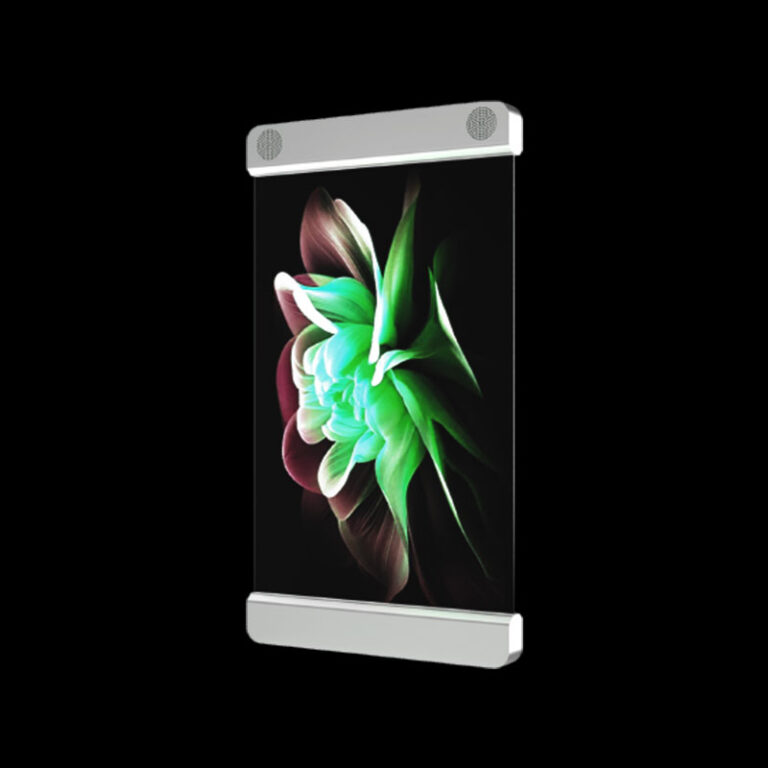
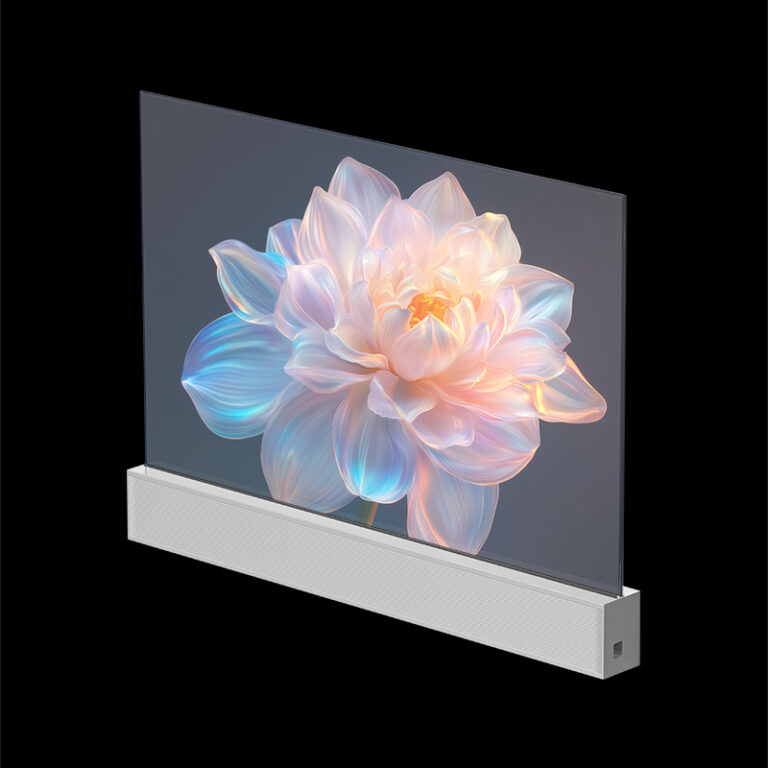
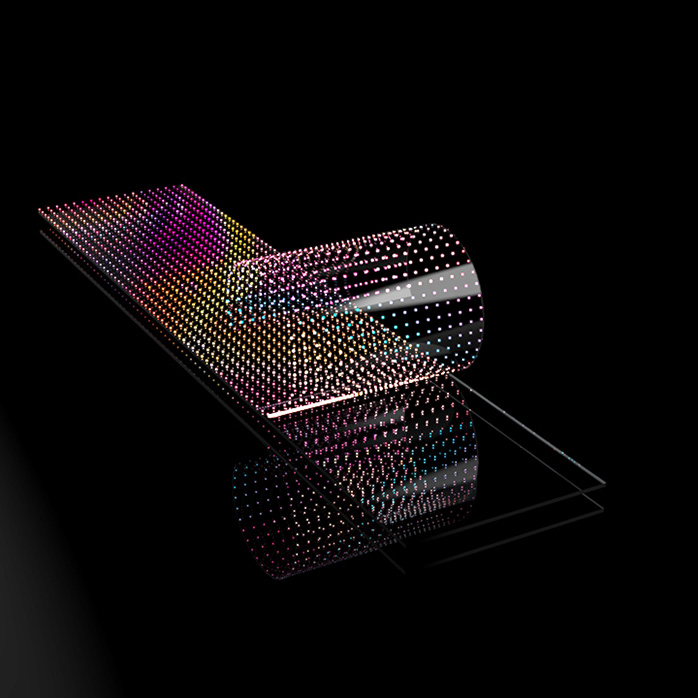
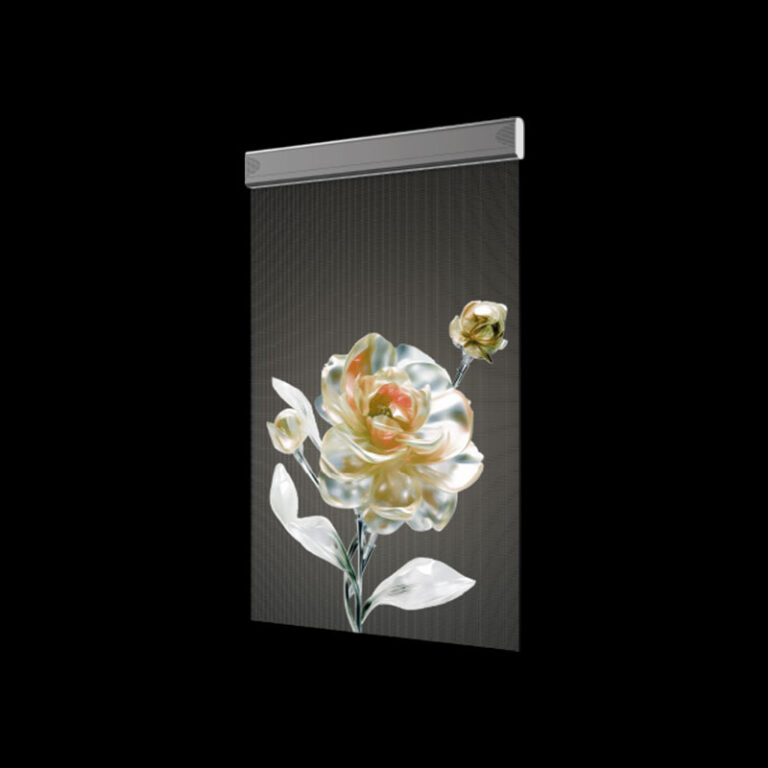
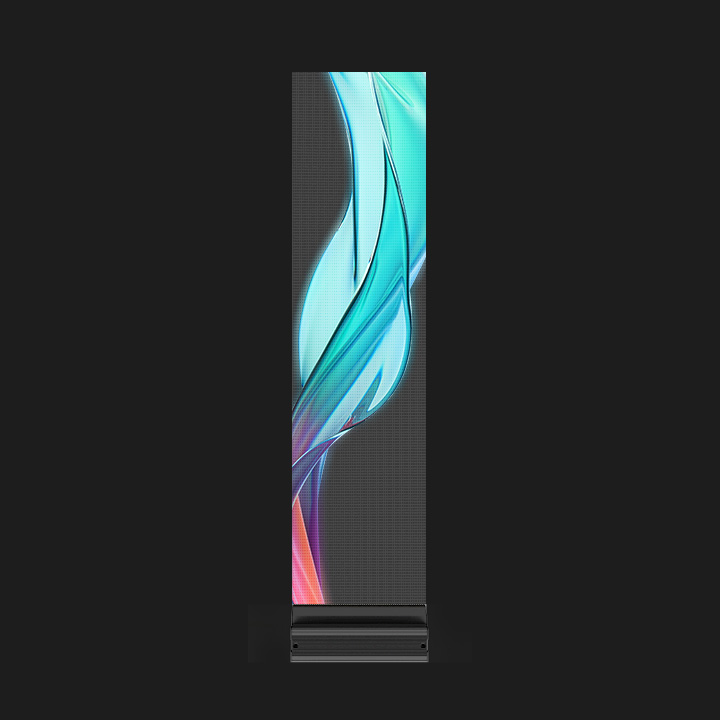
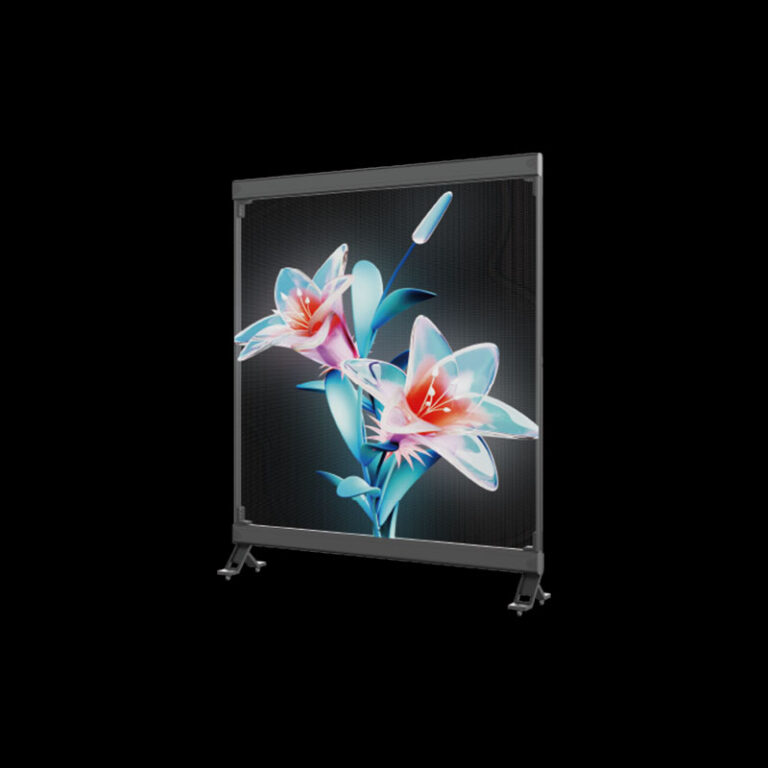
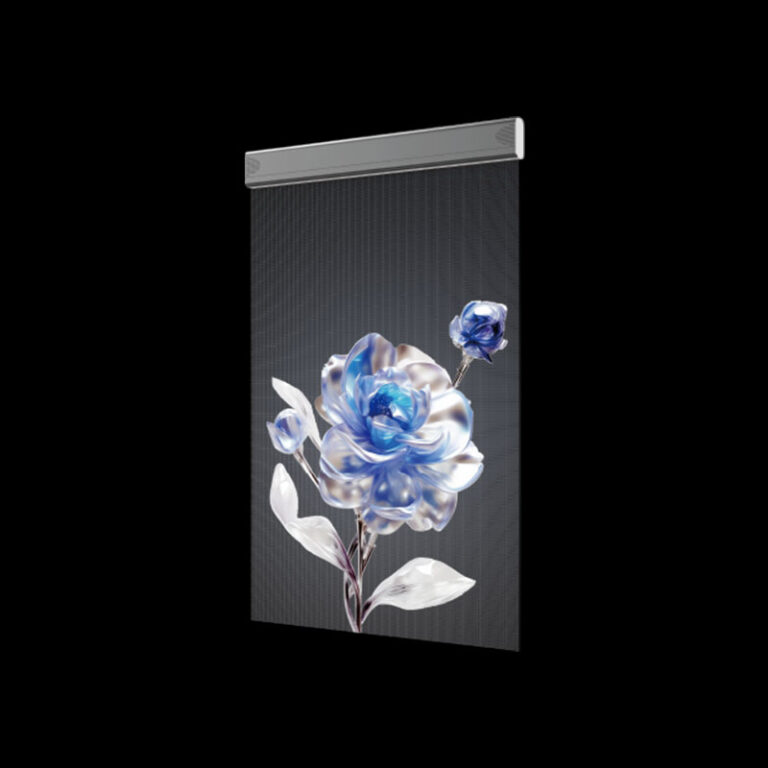
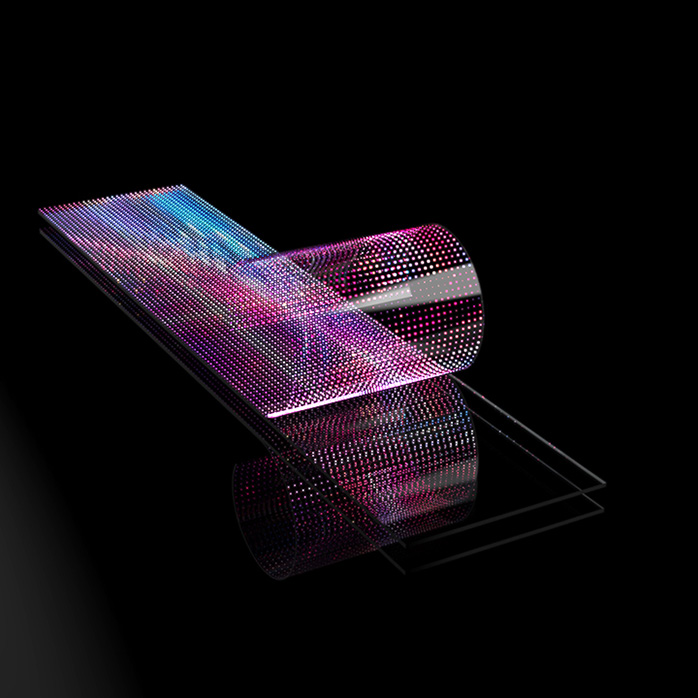
As a technology-driven manufacturing enterprise under Hainan Xinshi Group, specializing in the LED transparent display field, TranStarX (Shenzhen) Co., Ltd. is deeply engaged in the R&D and production of core products such as COB Crystal Core Screens, COB Holographic Screens, and COB Optoelectronic Glass. Leveraging independently developed breakthroughs in COB packaging technology (with a minimum lamp bead pitch of 0.4mm), ultra-high light transmittance technology (up to 95%), and a strict quality control system, it provides display solutions featuring “high stability, high adaptability, and high safety” for various engineering scenarios. To empower engineering contractor partners to advance project implementation efficiently, reduce construction risks, and expand project profit margins, based on the concept of “professional technical support, standardized process guarantees, and full-cycle collaboration empowerment,” our company has customized a full-process exclusive service system for engineering contractors, helping them deliver high-quality projects and establish an industry reputation.
I. Customized Pre-Engineering Scheme Planning Services: Accurately Matching Needs and Reducing Project Design Risks
Based on the core characteristics of the engineering industry – “complex scenarios, diverse needs, and strict standards” – our company provides engineering contractors with full-process customized planning services from demand research to scheme output. This ensures the scheme is technically feasible, cost-controllable, and compliant with project acceptance standards, laying a solid foundation for the smooth progress of the project.
1. In-Depth Multi-Dimensional Demand Research
- Form a Specialized Research Team: For each engineering project, arrange a specialized research team consisting of “product consultants + technical engineers + cost accounting specialists” to conduct in-depth communication with engineering contractors and end customers (e.g., construction parties, owner units). Through the Engineering Demand Survey Form, core information is clarified – including project type (commercial curtain wall engineering, museum exhibition engineering, convention center construction engineering, automobile 4S store decoration engineering, etc.), installation scenario (indoor/outdoor, high-altitude/ground, normal environment/special environment such as high temperature and humidity, dusty environment), technical requirements (display area, resolution, brightness, light transmittance, protection level, interactive functions, etc.), project schedule milestones (design cycle, supply cycle, installation cycle, acceptance cycle), budget scope, and acceptance standards (e.g., relevant national standards, industry specifications, special requirements of the owner). A standardized demand analysis report is formed to ensure no demand is omitted.
- On-Site Survey and Data Collection: The research team conducts on-site surveys at the project location, using professional equipment (e.g., laser rangefinders, illuminometers, temperature and humidity detectors) to collect key data – including the size of the installation area (accurate to millimeters), building structural characteristics (e.g., curtain wall glass thickness, load-bearing capacity, wall material), environmental parameters (e.g., annual temperature and humidity range, light intensity for outdoor projects; ventilation conditions, electromagnetic interference for indoor projects), and water and electricity supporting conditions (power supply capacity, circuit interface location). At the same time, on-site photos and videos are taken to establish a “project on-site file,” providing accurate data support for scheme design and avoiding mismatches between the scheme and the on-site environment due to data deviations.
2. Customized Scheme Design and Optimization
- Multi-Dimensional Scheme Output: Based on the results of demand research and on-site surveys, our technical team issues a three-in-one customized scheme consisting of “technical scheme + cost scheme + implementation plan”:
- Technical Scheme: Clearly defines product selection (e.g., recommending high and low temperature resistant Optoelectronic Glass TSX-LEGL-P3.91/P5.0 for outdoor curtain wall projects, and high light transmittance Crystal Core Transparent Screens TSX-JXIVW-P3.75A/P5.0A for museum exhibition projects), screen splicing scheme (including splicing size, splicing method, keel/keel-free installation design, with detailed structural diagrams marked), circuit layout scheme (design of power supply circuit and signal circuit routing, considering safety distance and anti-interference requirements), and supporting equipment selection (e.g., controllers, power supplies, heat dissipation systems, ensuring compatibility with main products). At the same time, product technical parameters (e.g., light transmittance, brightness, protection level IP65/IP54, service life) are marked to ensure the scheme meets the project’s technical requirements and acceptance standards.
- Cost Scheme: Provides a detailed cost accounting list, including product unit price, quantity, total price, costs of installation auxiliary materials (e.g., connecting cables, fixing parts, protective materials), transportation costs, and technical support costs. It also offers cost optimization suggestions (e.g., “screens in a certain area can be spliced in standard sizes, reducing costs by 10% compared to customized special-shaped screens,” “a 15% discount is available for bulk purchases exceeding 100㎡”), helping engineering contractors control project costs and expand profit margins.
- Implementation Plan: Develops a phased implementation schedule, clarifying the product production cycle (7-15 working days for regular customized products, 20-30 working days for large-scale projects), transportation cycle (3-7 working days for domestic projects, calculated based on the project location), installation cycle (2-5 days for small and medium-sized projects, 7-15 days for large-scale projects, with installation teams allocated according to project scale), and commissioning and acceptance cycle (1-3 days). This ensures smooth connection of all links and meets the project schedule requirements.
- Scheme Review and Optimization Iteration: After the draft scheme is completed, a scheme review meeting is organized with the engineering contractor, end customer (if required), and our technical director. Comments for revision are put forward from three dimensions: technical feasibility (e.g., “whether high-altitude installation complies with safety specifications,” “whether products operate stably in special environments”), cost rationality, and schedule matching. The technical team optimizes the scheme based on the review comments. After the final version is formed, a Project Scheme Confirmation Form is issued, which is signed and confirmed by all parties to serve as the basis for project execution. This avoids project delays or cost overruns due to scheme changes in the later stage.
II. Standardized Product Supply and Quality Assurance Services: Ensuring Timely Supply and Qualified Product Quality
Our company has built a product supply system integrating “standardized production + full-process quality inspection + efficient logistics,” providing engineering contractors with stable, timely, and high-quality product supply services. This ensures the project progresses as planned and prevents project delays due to product issues.
1. Standardized Production and Progress Control
- Synchronized Production Planning: After the project scheme is confirmed, our production department immediately formulates a Product Production Schedule, clarifying the raw material procurement cycle (core raw materials such as COB lamp beads and PCB boards have a safety stock of more than 30 days to ensure rapid production startup), production processes (SMT placement, potting, assembly, initial inspection), and completion time of each link. At the same time, the production progress is synchronized to the engineering contractor’s exclusive service group, allowing the engineering contractor to check the production status in real time (e.g., “raw materials have arrived at the factory,” “SMT placement completed, entering the assembly stage”), ensuring transparent and controllable production progress.
- Rush Production Support: For urgent projects of engineering contractors (e.g., compressed construction periods, temporary additional demands), a “rush production channel” is opened to prioritize the allocation of production resources (e.g., adding production lines, arranging overtime production). This shortens the regular production cycle by 30%-50% (e.g., a regular 10-day production cycle can be compressed to 5-7 days). A dedicated person is also assigned to track the rush production progress to ensure on-time product delivery and meet the urgent needs of the project.
2. Full-Process Quality Inspection
- Multi-Node Quality Inspection Standards: Establishes a three-level quality inspection system of “incoming raw material inspection → in-production patrol inspection → final product outgoing inspection,” with standardized inspection standards and processes formulated for each link:
- Incoming Raw Material Inspection: For purchased core raw materials such as COB lamp beads, PCB boards, and tempered glass, parameter tests are conducted in accordance with the Raw Material Inspection Standards (e.g., lamp bead brightness, wavelength consistency, PCB board insulation, tempered glass impact resistance). Only qualified raw materials are stored in the warehouse; unqualified raw materials are directly returned to the supplier to ensure controllable quality at the source.
- In-Production Patrol Inspection: During production, quality inspectors conduct patrol inspections of production processes every 2 hours, focusing on checking SMT placement accuracy (lamp bead pitch error ≤0.1mm), potting process (no bubbles, good sealing), and assembly quality (screen splicing gap ≤0.5mm). If problems are found, production is stopped immediately for rectification to prevent unqualified semi-finished products from flowing to the next link.
- Final Product Outgoing Inspection: After the final products are completed, comprehensive tests are conducted in accordance with the Final Product Inspection Standards, including display effect testing (brightness uniformity, color reproduction, no image retention), performance testing (high and low temperature testing from -30℃ to 60℃, waterproof testing IP65, shock resistance testing), and parameter calibration (light transmittance, resolution, power consumption). All test data is recorded in the Product Quality Inspection Report and delivered to the engineering contractor together with the products, ensuring each product meets quality standards.
- Sample Pre-Acceptance Service: For projects with large batches (exceeding 50㎡) or special technical requirements, 1-2 samples are provided for the engineering contractor’s pre-acceptance before mass production. The engineering contractor can test the appearance, performance, and installation adaptability of the samples. Mass production is only started after confirming that the samples meet the project requirements, avoiding quality mismatches after mass production and reducing risks for the engineering contractor.
3. Efficient Logistics and Delivery Guarantee
- Customized Logistics Scheme: Based on the project location, product quantity, and transportation requirements (e.g., fragile goods, oversized items), our logistics department formulates a customized logistics scheme. Logistics companies with qualification for transporting dangerous goods (some products contain electronic components) and experience in transporting engineering materials (e.g., SF Express, Deppon Logistics) are selected. Customized packaging (thickened foam + wooden frame, with internal fixing to prevent shaking) is used for fragile products (e.g., Optoelectronic Glass), and dedicated vehicles are arranged for oversized products (e.g., full-screen curtain wall glass) to ensure transportation safety.
- Logistics Progress Tracking and Delivery Acceptance: After the goods are shipped, the logistics tracking number and estimated arrival time are synchronized to the engineering contractor, who can track the transportation progress in real time through the logistics platform. When the products arrive at the project site, our company arranges a dedicated person to conduct joint delivery acceptance with the engineering contractor, verifying whether the quantity and model of the products are consistent with the Delivery Note and checking whether the product packaging is intact and the appearance is undamaged. After passing the acceptance, the Product Delivery Acceptance Form is signed. If there is a shortage of products or appearance damage, the replenishment/replacement process is initiated immediately, ensuring a response within 24 hours and completion of replenishment/replacement within 3-7 working days without affecting the project installation progress.
III. Professional Mid-Engineering Technical Support Services: Ensuring Smooth Installation and Solving Technical Problems
In response to the characteristics of engineering installation – “high technical requirements, frequent unexpected problems, and strong collaboration needs” – our company provides full-process professional technical support services to assist engineering contractors in efficiently solving installation problems and ensuring project quality and progress.
1. Pre-Installation Technical Training and Guidance
- Customized Training Courses: Based on the project installation scheme and the technical level of the engineering contractor’s team, customized installation training is provided. The training content includes product installation specifications (e.g., keel-free mounting steps for Crystal Core Transparent Screens, clamping process for Optoelectronic Glass, bending installation techniques for Holographic Phantom Invisible Screens), tool usage methods (e.g., correct operation of glass suction cups, laser levels, insulation testers), safety operation procedures (e.g., safety protection for high-altitude operations, safety precautions for electrical circuit connection), and prediction and handling of common problems (e.g., prevention of excessive screen splicing gaps and circuit connection failures). The training combines “theoretical teaching + practical exercises,” with our senior installation engineers demonstrating the installation process on-site. The engineering contractor’s team can practice hands-on to ensure each installer masters core installation technologies.
- Standardized Output of Technical Materials: Provides the Project Installation Technical Manual, which includes project installation flowcharts, detailed step-by-step explanations (marking operation points and acceptance standards for each step, e.g., “the torque of screen fixing screws must reach 5N・m to ensure firmness without loosening”), installation dimensional accuracy requirements (e.g., “horizontal error of spliced screens ≤1mm, vertical error ≤0.5mm”), and circuit connection diagrams (marking the correspondence between positive and negative poles and signal interfaces). It is also equipped with installation operation videos (filmed step-by-step, clearly showing key operation details), which the engineering contractor’s team can refer to at any time to ensure standardized and unified installation processes.
2. Technical Supervision and Assistance During Installation
- On-Site Technical Supervision: For large-scale projects (e.g., curtain wall projects exceeding 100㎡, interactive display projects with high technical complexity) or projects involving first-time cooperation with engineering contractors, 1-2 professional technical supervisors are dispatched to provide on-site support. During the on-site period, they fully participate in the installation process, including:
- Guidance on Pre-Installation On-Site Preparation: Assisting the engineering contractor in confirming whether the installation positions meet the scheme requirements, whether water and electricity interfaces are reserved properly, and whether installation tools are complete, ensuring no omissions in pre-installation preparation work.
- On-Site Guidance for Key Processes: Providing on-site guidance to installers on key processes such as screen splicing, circuit connection, and equipment commissioning, checking whether each operation complies with technical specifications, and correcting non-standard operations in a timely manner (e.g., “insulation treatment was not done during circuit connection; insulating tape must be reapplied”), ensuring installation quality.
- Rapid Resolution of Unexpected Problems: If unexpected problems occur during installation (e.g., abnormal screen display, short circuit, conflict with other projects such as decoration or water and electricity), the technical supervisor arrives at the scene within 15 minutes to diagnose the cause and proposes a solution within 30 minutes. For example, “abnormal screen display may be caused by a faulty signal controller; replace the backup controller immediately” or “circuit conflict with water and electricity projects requires adjusting the circuit routing and issuing a supplementary scheme,” ensuring rapid problem resolution without affecting the installation progress.
- Remote Technical Support: For small and medium-sized projects or engineering contractors with mature technology, 7×24-hour remote technical support is provided. Engineering contractors can seek help through three methods: the service hotline (400-001-2281), WeChat Work video calls, and remote control software. For example, if installers have questions about circuit connection, they can use video calls to allow technical engineers to view the on-site situation in real time and guide the correct connection method; if problems occur during screen commissioning, technical engineers can check the screen operation parameters through remote control software, troubleshoot remotely, and guide resolution, greatly improving the efficiency of technical support.
3. Support for Multi-Engineering Collaboration
- Cross-Engineering Communication and Coordination: If the project involves cross-operation of multiple projects (e.g., LED display engineering carried out simultaneously with building curtain wall engineering, indoor decoration engineering, and weak current engineering), our technical team proactively communicates with other engineering parties (e.g., curtain wall construction teams, decoration companies, weak current integrators) to clarify the construction sequence of each project (e.g., “curtain wall glass installation must be completed first before Optoelectronic Glass mounting”), interface standards (e.g., “power supply interfaces must comply with AC220V/50Hz standards, with 3 signal interfaces reserved”), and time nodes (e.g., “weak current engineering must complete circuit laying 3 days before the start of display engineering installation”). A Multi-Engineering Collaborative Construction Plan is formed to avoid project delays or quality problems due to poor connection between projects.
- Collaborative Optimization of Scheme Adjustments: If changes in other projects (e.g., adjustments to building structures, changes in owner requirements) require simultaneous adjustments to the display engineering scheme, our technical team issues scheme adjustment suggestions within 24 hours, including changes in product selection, optimization of installation methods, and calculation of cost changes. It jointly reviews the feasibility of the adjusted scheme with the engineering contractor and other engineering parties to ensure the adjusted scheme not only meets project requirements but also connects seamlessly with other projects. At the same time, the impact of scheme adjustments on the project schedule is minimized (e.g., “the original scheme used curved screens; now it is adjusted to flat screens, which can shorten the production cycle by 5 days”).
IV. Standardized Post-Engineering Acceptance and After-Sales Maintenance Services: Ensuring Project Qualification and Guaranteeing Long-Term Stable Operation
Our company has built a service system integrating “standardized acceptance + full-cycle after-sales service” to assist engineering contractors in successfully passing project acceptance and provide long-term stable after-sales guarantees for end customers, enhancing the engineering contractor’s customer satisfaction and reputation.
1. Professional Support for Project Acceptance
- Sorting Out Acceptance Standards and Processes: After the project installation and commissioning are completed, our company assists the engineering contractor in sorting out project acceptance standards, including relevant national and industry standards (e.g., General Specification for LED Display Screens GB/T 23446-2021, Technical Code for Building Curtain Wall Engineering JGJ 102-2003) and special requirements of the owner (e.g., display effect, interactive functions, safety performance). A Project Acceptance Checklist is formed, clarifying acceptance items (e.g., display area, resolution, brightness, light transmittance, protection level, interactive response speed), acceptance methods (e.g., testing brightness and light transmittance with professional equipment, demonstrating interactive functions on-site), and qualification standards (e.g., “brightness uniformity ≥90%, light transmittance meets the contracted value”), ensuring the engineering contractor clearly understands the acceptance requirements.
Preparation and Assistance with Acceptance Materials: Assists the engineering contractor in preparing a complete set of acceptance materials, including product qualification documents (e.g., product quality certification certificates, test reports, production licenses), engineering technical materials (e.g., project scheme, installation technical manual, change orders, installation process records), quality inspection materials (e.g., product quality inspection reports, installation acceptance records, commissioning reports), and after-s
ales guarantee materials (e.g., after-sales service terms, operation and maintenance manual). All materials are organized and archived in a standardized format with clear directories and page numbers, ensuring the acceptance materials are complete and standardized to meet the acceptance requirements of the owner and supervision unit.
- Technical Cooperation During Acceptance: During the acceptance process, our technical engineers assist the engineering contractor in conducting acceptance demonstrations, including display effect demonstrations (playing test images with different brightness and colors to show image clarity and color reproduction), interactive function demonstrations (operating touch, induction, and other interactive functions on-site to show response speed and stability), and safety performance demonstrations (e.g., testing screen impact resistance and circuit insulation). At the same time, they answer technical questions raised by the acceptance team (e.g., “How to ensure the product’s service life?” “What is the cost of later maintenance?”) to help the engineering contractor successfully pass the acceptance. If minor issues are found during acceptance (e.g., “local brightness deviation”), the technical engineers adjust and optimize on-site to ensure the problem is resolved on the same day without affecting the acceptance progress.
2. Full-Cycle After-Sales Maintenance Services
- Long-Term After-Sales Maintenance Guarantee: Provides 3-year long-term after-sales maintenance services for projects undertaken by engineering contractors (with a 5-year warranty for core components such as COB lamp beads and controllers). The scope of after-sales maintenance includes:
- Hardware Fault Repair: For hardware problems such as damaged screen lamp beads, faulty controllers, and power supply failures, our after-sales team responds 24/7. For projects in urban areas, on-site maintenance is provided within 24 hours; for suburban areas, within 48 hours; and for remote areas, within 72 hours. All replacement parts for maintenance are original genuine parts to ensure maintenance quality.
- Software Upgrade Maintenance: Regular system software upgrade services are provided (e.g., optimizing display effects, adding new interactive functions). The upgrade process is operated remotely or carried out on-site by our technical engineers without affecting the normal use of end customers.
- Regular Inspection and Maintenance: Every quarter, after-sales engineers are arranged to conduct on-site inspections, checking the screen operation status (e.g., lamp bead brightness attenuation, circuit aging, heat dissipation system operation), and environment adaptation (e.g., corrosion resistance of outdoor screens, dust and moisture protection of indoor screens). A Quarterly Inspection Report is issued, marking potential risks (e.g., “lamp bead brightness attenuation in a certain area exceeds 15%, replacement is recommended during the next inspection”) and handling suggestions to prevent faults in advance and extend the product service life (regular products can be used for 8-10 years).
- After-Sales Docking and Responsibility Clarification: Establishes an exclusive docking mechanism between “engineering contractors and our after-sales team.” After receiving after-sales demands from end customers, the engineering contractor only needs to feed back to our after-sales specialist through the After-Sales Demand Application Form (marking the project name, product model, fault description, and demand time). The after-sales specialist responds within 1 hour and is fully responsible for coordinating fault handling. The engineering contractor does not need to directly participate in complex after-sales execution, but only needs to communicate with customers and transmit demands. At the same time, the After-Sales Service Agreement clarifies the responsibilities of both parties (e.g., “non-human damage faults are repaired free of charge by our company; faults caused by human damage or force majeure are repaired at cost price”), avoiding after-sales disputes and protecting the interests of engineering contractors.
V. Bidding and Qualification Support Services: Helping Win Projects and Enhancing Competitive Advantages
In response to the characteristics of engineering contractors’ participation in project bidding – “high qualification requirements, difficult scheme preparation, and high competitive pressure” – our company provides comprehensive bidding support services to help engineering contractors enhance their bidding competitiveness and increase the project winning rate.
1. Standardized Qualification Document Support
- Real-Time Update and Supply of Qualification Documents: Establishes an “engineering qualification document library,” which collects a complete set of our company’s qualification documents, including enterprise qualifications (business license, high-tech enterprise certificate, production license, ISO9001 quality management system certification, ISO14001 environmental management system certification), product qualifications (product CE certification, ROHS certification, national mandatory product certification (3C certification), test reports issued by third-party authoritative institutions (including test data on light transmittance, brightness, power consumption, protection level, and service life)), and engineering case qualifications (copies of successful project contracts, acceptance reports, customer evaluations, on-site photos and videos). All qualification documents are updated in accordance with the latest standards, and engineering contractors can apply for electronic or paper versions (stamped with the company’s official seal) at any time to ensure complete and valid qualification documents during bidding.
- Customized Qualification Supplementary Support: If the bidding project has special requirements for qualifications (e.g., specific industry certifications, local service qualifications), our company assists the engineering contractor in supplementing relevant qualification documents. For example, if the project requires a “local after-sales service organization certificate,” our company can provide qualification certificates of regional branches or cooperative after-sales outlets; if the project requires “green environmental protection certification,” a product environmental protection test report can be issued. This ensures the engineering contractor meets the bidding qualification requirements and avoids missing bidding opportunities due to lack of qualifications.
2. Professional Preparation Support for Bidding Schemes
- Guidance on Technical Scheme Preparation: Arranges a professional technical team to assist the engineering contractor in preparing the bidding technical scheme, optimizing the scheme content based on the bidding requirements (e.g., technical parameters, construction period, quality standards) and actual project conditions:
- Product Selection Optimization: Recommends product models that best meet the bidding parameters and have the highest cost performance (e.g., if the bidding requires light transmittance ≥90%, the Crystal Core Transparent Screen TSX-JXIVW-P3.75A is recommended, with a light transmittance of 92% and power consumption as low as 3% of traditional screens, which can be used as a highlight of the scheme).
- Highlighting Technical Advantages: Emphasizes the technical advantages of our products in the scheme (e.g., high stability of COB packaging technology, space-saving advantages of keel-free installation, long-term operation cost advantages of low power consumption), and enhances persuasion with data from similar successful cases (e.g., “a certain curtain wall project using our Optoelectronic Glass reduced later operation and maintenance costs by 40%”).
- Rigorous Implementation Plan: Develops a detailed project implementation plan, clarifying the time nodes and responsible persons for each stage of production, transportation, installation, commissioning, and acceptance, ensuring the plan is feasible and reasonable and reflecting the engineering contractor’s project management capabilities.
- Support for Commercial Scheme and Quotation Strategy: Our cost accounting specialists assist the engineering contractor in preparing the commercial scheme, providing accurate product quotations (based on the engineering contractor’s purchase volume and project cooperation model, offering the most competitive agent price). At the same time, they provide quotation strategy suggestions – for example, “for large-scale projects, a quotation model of ‘low price for basic products + profit from value-added services’ can be adopted. The quotation for basic products is slightly lower than the market average, and value-added services (e.g., long-term operation and maintenance, software upgrades) are priced reasonably, which not only enhances price competitiveness but also ensures profit margins.” They also assist the engineering contractor in preparing a standardized quotation sheet (including product details, unit price, total price, payment method, warranty period, and after-sales terms), ensuring the quotation sheet is standardized in format, clear in content, and free of ambiguity, avoiding affecting the bidding score due to quotation issues.
3. Support for Bidding Response and Demonstration
- Review and Optimization of Bidding Documents: After the engineering contractor completes the preparation of bidding documents, our company arranges bidding consultants to review the documents, focusing on checking the completeness of qualification documents, compliance of the technical scheme, rationality of the quotation, and accuracy of response content (e.g., ensuring the response to the bidding party’s requirement of “after-sales service response time” is consistent with our after-sales standards). Optimization suggestions are put forward (e.g., “the technical scheme needs to supplement quality control measures during the installation process to enhance the rigor of the scheme”), ensuring the bidding documents are complete and error-free.
- Support for Bidding Demonstration: If the bidding project requires on-site demonstration (e.g., product sample display, technical scheme explanation), our company provides demonstration support – preparing product samples that meet the bidding requirements (e.g., Crystal Core Transparent Screen samples to demonstrate high light transmittance, Holographic Phantom Invisible Screen samples to demonstrate bendable characteristics), arranging product managers or technical engineers to assist the engineering contractor in on-site demonstrations, explaining product technical advantages and scheme highlights, and answering technical questions raised by the judges (e.g., “How to ensure stable operation of the product in extremely high-temperature environments?” “How to achieve rapid response in later maintenance?”). This enhances the demonstration effect and strengthens the judges’ recognition of the scheme.
TranStarX has always adhered to the cooperation concept of “based on technology, rooted in services, and growing together with engineering contractors,” continuously optimizing the exclusive service system for engineering contractors and constantly improving the professionalism, standardization, and efficiency of services. We look forward to working with all engineering contractor partners, relying on our product technical advantages and full-process service capabilities, to jointly undertake high-quality LED transparent display engineering projects, create industry benchmark cases, promote the in-depth integration of the engineering industry and LED transparent display technology, and achieve long-term cooperation and value win-win for both parties.