TranStarX Holographic Phantom Invisible Screen: Application Implementation Path
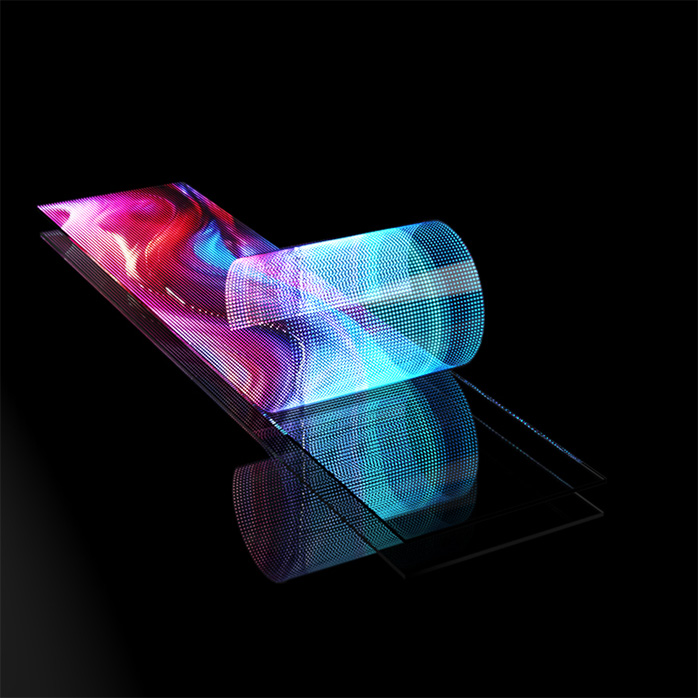
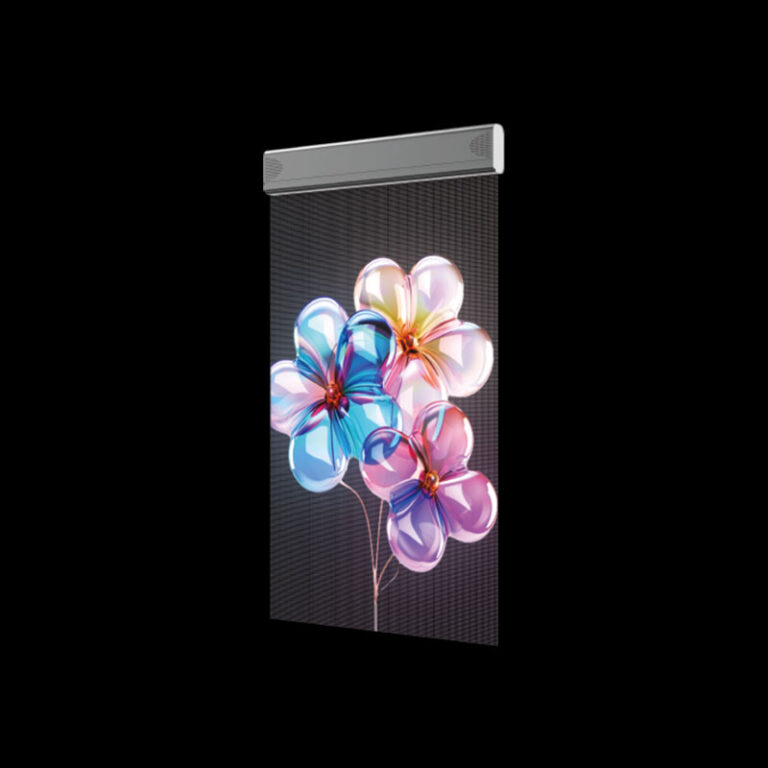
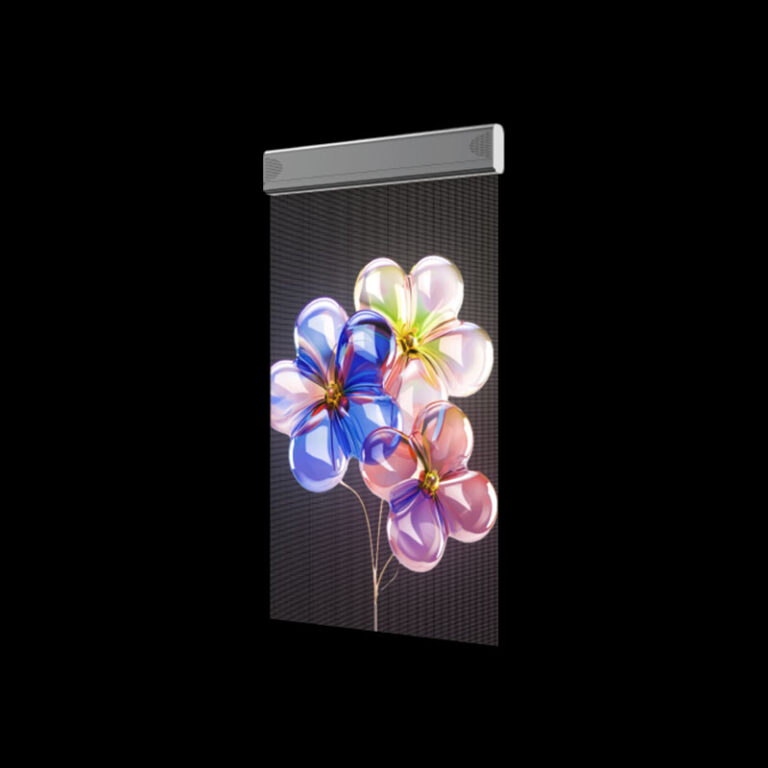
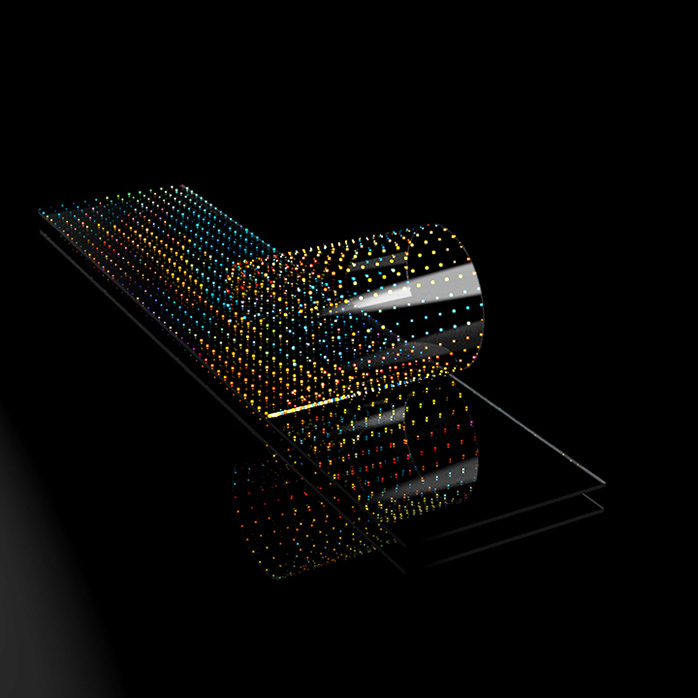
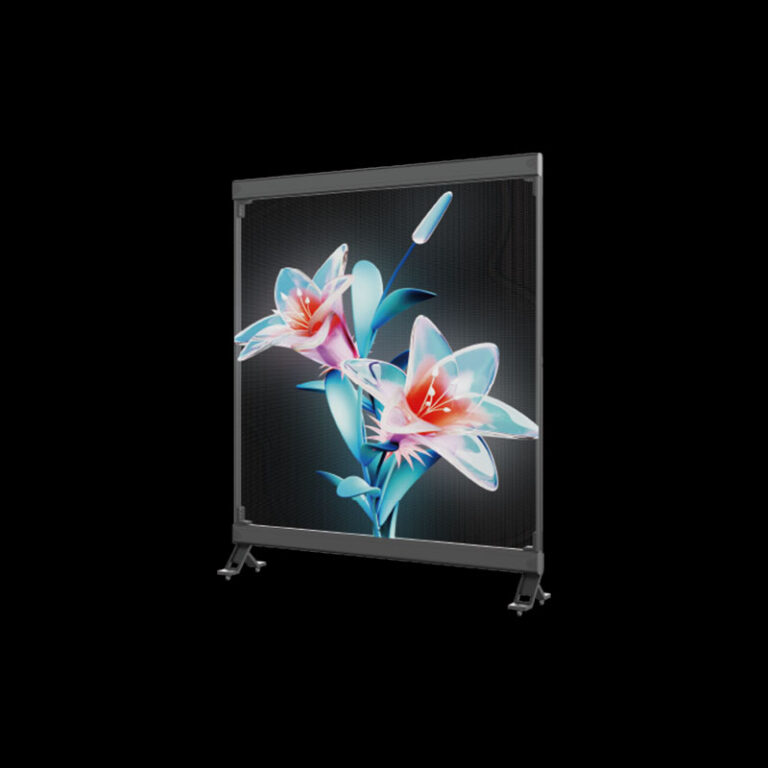
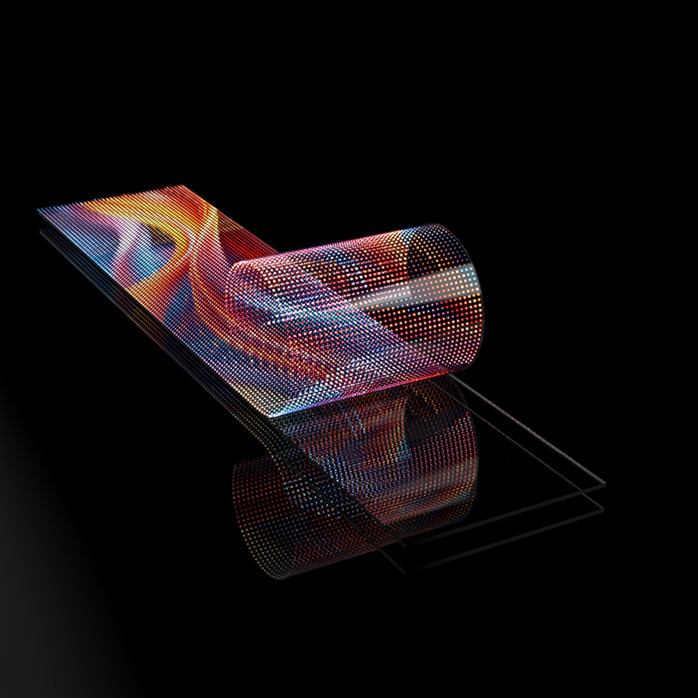
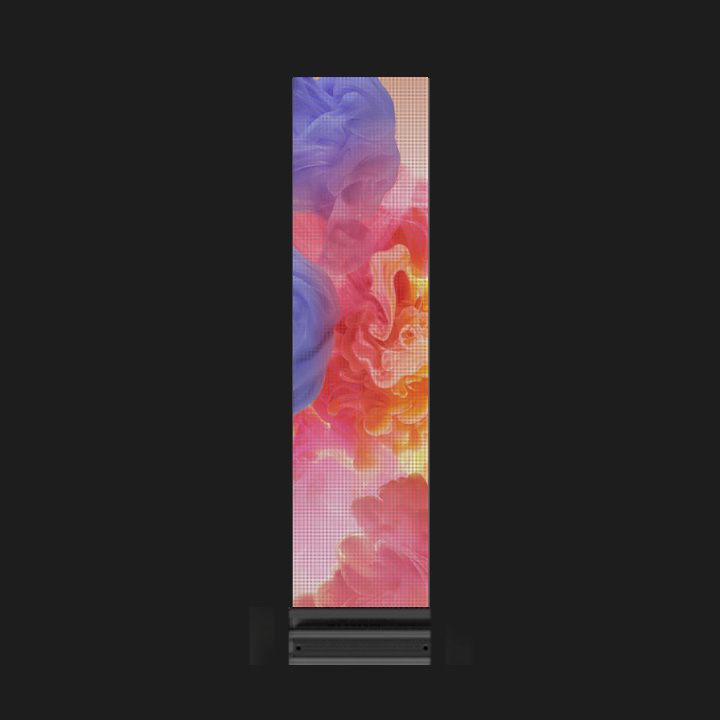
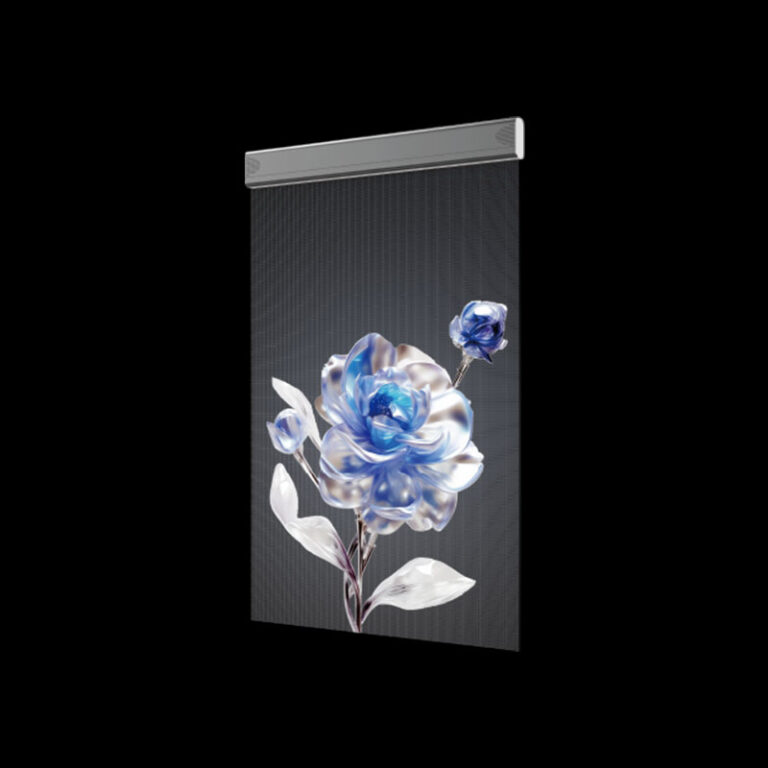
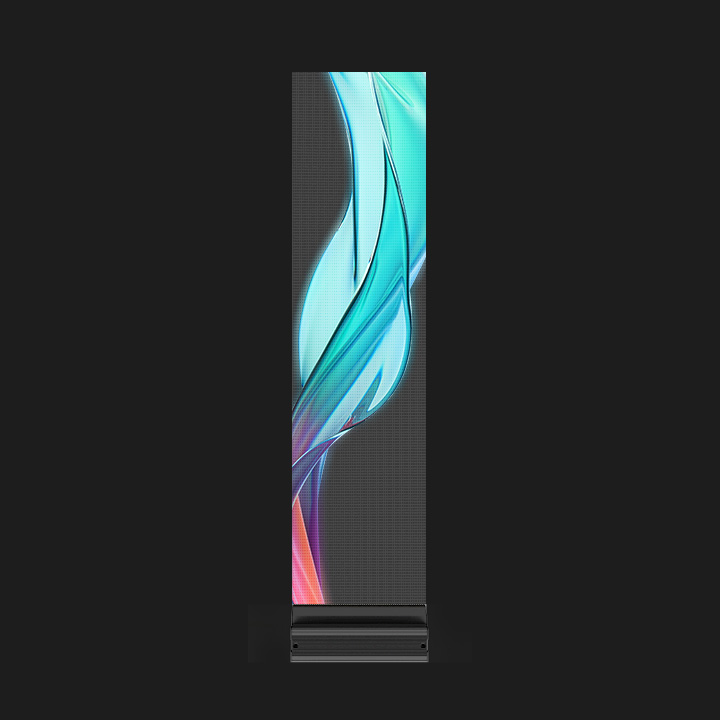
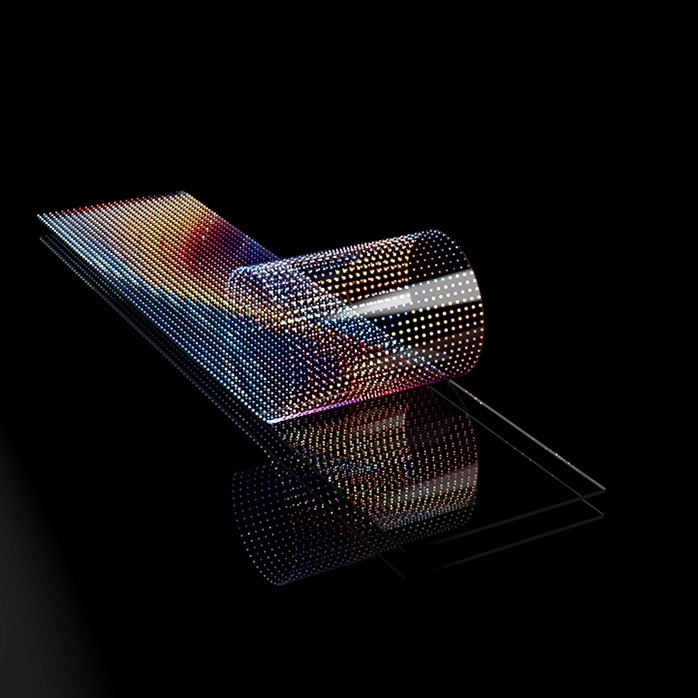
As a technology-driven enterprise under Hainan Xinshi Group, focusing on the LED transparent display field, TranStarX (Shenzhen) Co., Ltd. has developed its Holographic Phantom Invisible Screen series (including models TSX-QXIQJ-P2.5S, TSX-QXIQJ-P3.91S, TSX-QXIYK-P2.5S) based on independently researched keel-free fixing technology, PCB hollow mesh circuit design, and exclusive IC chips. With core advantages of “screen thickness < 2mm, perceived transparency ≥ 80%, bendable mounting, and unobstructed visual effect,” it breaks the form limitations of traditional display devices and delivers an innovative experience of “holographic floating content and invisible screen integration.”
Widely applicable to commercial windows, commercial curtain walls, exhibitions, cultural tourism, automobile 4S stores, etc., this product provides users with “lightweight, flexible, and immersive” digital display solutions. Below is a detailed explanation of the Holographic Phantom Invisible Screen implementation path from four dimensions: application scenarios, scheme design, implementation guarantee, and core value.
I. Core Application Scenarios and Customized Scheme Design
Based on the product characteristics of Holographic Phantom Invisible Screen—”ultra-thin and lightweight, bendable adaptation, high transparency and invisibility”—differentiated application schemes are customized to address core needs of different scenarios (e.g., space utilization, creative display, experience upgrading), ensuring product performance deeply aligns with scenario value.
(I) Commercial Window Creative Advertising Scenarios: Creating “Holographic Floating” Visual Traffic-Driving Windows
1. Scenario Pain Points
Traditional commercial windows (e.g., cosmetics, apparel, 3C digital stores) mostly rely on static posters or ordinary transparent screens, with issues such as “lack of 3D sense in images, thick screens blocking exhibits, and damaged original window style after installation.” It is difficult to attract passersby’s attention amid homogeneous competition; meanwhile, frequent advertising content replacement requires manual material disassembly, resulting in high costs and low efficiency.
2. Holographic Phantom Invisible Screen Scheme Design
- Product Selection: Prioritize Holographic Phantom Invisible Screen TSX-QXIQJ-P3.91S (85% perceived transparency, 1.8mm thickness) for medium-sized windows (5-15㎡). For curved windows (e.g., circular windows of cosmetics brands), select bendable model TSX-QXIYK-P2.5S (maximum bending radius 1.2m) to fit the window curve for seamless display. For small premium windows (<5㎡), recommend TSX-QXIQJ-P2.5S with higher resolution (160,000 pixels/㎡) for clearer detail presentation.
- Installation Method: Adopt keel-free mounting technology—directly attach the screen to the inner side of window glass using special transparent adhesive (supporting glass thickness 3-10mm), no drilling or window structure reinforcement required. After installation, the screen integrates seamlessly with the glass; from the outside, only “holographic content floating above exhibits” is visible, without blocking apparel displays, digital products, etc., in the window, achieving an overlapping effect of “physical exhibits + screen-displayed dynamic content.” The screen weighs ≤4kg/㎡, causing no additional load on the window glass.
- Content & Function Design:
- Holographic Creative Content: Customize “product holographic display” content—cosmetics windows play 3D animations of lipstick rotation and foundation texture spreading, with superimposed brand logos and short copy (e.g., “New Arrival”); 3C digital windows show holographic views of phone disassembly to intuitively present core components like chips and batteries, highlighting product technology; apparel windows play dynamic styling videos of models, linking “screen-displayed models + physical apparel in the window” to strengthen consumers’ scenario association.
- Intelligent Sensor Interaction: Install an infrared human sensor module—when passersby approach within 1.5-2.5 meters of the window, the screen automatically switches from static holographic images to dynamic interactive content (e.g., “click to view product details” touch buttons); in the absence of people, it switches to low-power static mode (reducing power consumption by 50%), balancing traffic-driving effects and energy-saving needs.
- Remote Content Management: Equip TranStarX’s self-developed “cloud content management system.” Brand headquarters can remotely push advertising content to windows of different stores via computer/mobile, supporting scheduled publishing (e.g., new product ads at 10:00, promotional info at 20:00). No on-site manual replacement is needed, improving content update efficiency by 90%.
3. Scenario Value
- Visual Traffic Driving: Holographic floating effects increase passersby’s stop rate by over 50%, and store entry rate is 32% higher on average than traditional windows (refer to TranStarX’s cosmetics store cooperation cases). 85% high transparency ensures exhibits and screen content do not block each other, achieving a “1+1>2” display effect.
- Cost Optimization: Remote content updates replace traditional poster production and manual replacement, saving 40%-60% in material and labor costs annually. Keel-free installation eliminates window modification needs, reducing initial investment costs by 25% compared to traditional screens.
(II) Exhibition Hall Immersive Exhibition Scenarios: Building “Virtual-Real Integration” Interactive Experience Spaces
1. Scenario Pain Points
Exhibition halls (e.g., science and technology museums, corporate brand pavilions, cultural and creative exhibition halls) need innovative exhibition forms to deliver complex information (e.g., technical principles, brand history, cultural stories). However, traditional exhibitions (e.g., display boards, ordinary LED screens) have issues such as “single information transmission, weak audience interaction, and long exhibition setup cycles.” Especially for temporary exhibitions, frequent setup and dismantling of exhibition tools are required; ordinary display devices are bulky with low reusability, increasing exhibition costs.
2. Holographic Phantom Invisible Screen Scheme Design
- Product Selection: For main exhibition areas (20-50㎡) of large halls, splice multiple TSX-QXIQJ-P6.25S screens (82% perceived transparency, maximum single-screen size 1.2m×2.4m) to form an immersive holographic exhibition wall. For small interactive exhibits (e.g., product experience areas in corporate brand pavilions), use TSX-QXIQJ-P3.91S with transparent touch film to realize “holographic content + touch operation.” For temporary exhibitions, recommend TSX-QXIYK-P3.91S—lightweight and easy to dismantle (one person can carry a single screen), with reusability ≥90% after the exhibition, significantly reducing equipment investment costs for temporary events.
- Installation & Scenario Setup:
- Immersive Exhibition Wall: Splice multiple Holographic Phantom Invisible Screens into curved or flat exhibition walls, and attach them to the hall’s glass partitions or independent glass frames. The splicing gap between screens is ≤0.3mm to ensure image integrity. Set up an exhibit display platform behind the wall (e.g., robot models in science and technology museums, product prototypes in brand pavilions), and create a “virtual-real integration” exhibition effect by overlapping “holographic screen content + physical exhibits” (e.g., the screen plays animations of the robot’s working principle, synchronizing with the joint movements of the physical robot).
- Temporary Exhibit Setup: Adopt a “modular quick-assembly frame”—fix the Holographic Phantom Invisible Screen to a lightweight aluminum alloy frame, with frame assembly time ≤2 hours (70% more efficient than traditional exhibit setup). After the exhibition, the screen can be quickly dismantled and stored in a dedicated protective box, maximizing reusability.
- Interactive Function Integration:
- Touch Interaction: Attach a transparent touch film to the screen surface—visitors can tap the screen to “rotate holographic models” or “switch exhibit content” (e.g., in a science and technology museum, clicking the chip model on the screen allows 360° viewing of its internal structure). It supports 10-point simultaneous touch to meet multi-person interaction needs.
- Voice Guide Linkage: Integrate a voice recognition module—when visitors say commands like “view exhibit XX” or “play historical story,” the screen automatically jumps to the corresponding holographic content. Bluetooth headsets are provided for personalized guidance, enhancing exhibition autonomy.
3. Scenario Value
- Experience Upgrade: Virtual-real integration exhibitions improve visitors’ understanding of exhibit information by 45%, and youth interaction rate is 60% higher than traditional exhibitions. Bendable and quick-assembly features adapt to different spatial layouts of the hall, flexibly meeting needs for temporary and permanent exhibitions.
- Cost Control: Modular design and high reusability reduce equipment costs for temporary exhibitions by 35%. Keel-free installation cuts hall modification fees, and exhibit setup cycles are shortened by 50%.
(III) Automobile 4S Store Vehicle Holographic Explanation Scenarios: Realizing Visual Transmission of “Vehicle Details + Scenario Experience”
1. Scenario Pain Points
Traditional vehicle explanation in automobile 4S stores relies on sales staff’s verbal introduction + paper manuals, making it difficult to intuitively showcase core selling points (e.g., engine working principle, airbag deployment process, interior material technology). Ordinary LED screens occupy showroom space, and their images lack linkage with vehicle displays—consumers cannot establish an associative understanding of “vehicle characteristics and usage scenarios,” affecting the efficiency of car-buying decisions.
2. Holographic Phantom Invisible Screen Scheme Design
- Product Selection: Use Holographic Phantom Invisible Screen TSX-QXIQJ-P5.0S (83% perceived transparency, 2200nits brightness, adapting to bright showroom environments). A single screen has a size of 1.8m×2.2m and is installed on the glass partition behind or beside the displayed vehicle. For new energy vehicles, splice multiple TSX-QXIQJ-P6.25S screens to form a “battery range holographic display wall,” intuitively presenting data such as battery capacity and charging speed.
- Installation & Content Design:
- Vehicle Holographic Explanation: The screen plays “3D holographic disassembly of the vehicle”—the engine area shows dynamic processes of piston movement and crankshaft rotation, with parameters like “maximum power 180kW” marked; the safety configuration area uses holographic animations to demonstrate airbag deployment and body steel frame energy absorption during collisions; the interior area zooms in on leather seat stitching and central control screen touch fluency, with “interior ambient light switching in different scenarios” (e.g., night driving, daytime commuting) to enhance consumers’ experience.
- Scenario-Based Linkage Display: Link “screen-displayed scenarios + vehicle characteristics”—SUVs play holographic videos of outdoor off-road scenarios, with marked “ground clearance 210mm, 4WD system modes”; new energy vehicles play urban commuting and charging scenarios, showing “12kWh/100km power consumption, 80% charge in 30 minutes of fast charging” to help consumers intuitively understand the vehicle’s applicable scenarios.
- Sales Support Function: QR codes for “scan to book a test drive” and “compare vehicle parameters” are set at the bottom of the screen. Consumers can scan the code to obtain contact information of exclusive sales consultants or view holographic comparison content of vehicles with different configurations (e.g., “interior differences between luxury and standard versions”), shortening the sales communication cycle.
3. Scenario Value
- Decision Efficiency Upgrade: Holographic explanation shortens consumers’ understanding time of core vehicle selling points by 40%, and the consultation conversion rate of displayed vehicles increases by 28%. Scenario-based display helps consumers quickly match their needs, shortening the average car-buying decision cycle by 35%.
- Brand Image Upgrade: The ultra-thin, holographic display form aligns with the “technological, high-end” tone of automobile brands, enhancing the overall grade of the showroom and increasing consumers’ brand favorability by 25%.
(IV) Commercial Curtain Wall Night Lighting Scenarios: Creating “Lightweight, Invisible, Low-Carbon” Urban Landscapes
1. Scenario Pain Points
Traditional night lighting for commercial curtain walls (e.g., mall podiums, street store facades) mostly uses neon lights or ordinary outdoor LED screens, with issues such as “thick screens affecting building aesthetics during the day, low transmittance blocking indoor lighting, high power consumption, and high maintenance costs.” Some cities have “lightweight, low-energy” requirements for building curtain wall transformation, which traditional equipment struggles to meet.
2. Holographic Phantom Invisible Screen Scheme Design
- Product Selection: Choose outdoor-specific Holographic Phantom Invisible Screen TSX-QXIQJ-P10.4S (IP65 protection rating, temperature resistance from -30℃ to 60℃, 80% perceived transparency) for commercial curtain walls (20-100㎡). For curtain walls with large 整块 glass (e.g., the entire glass curtain wall of a mall), splice multiple screens with a gap ≤0.5mm to ensure seamless images when lit at night.
- Installation Method: Adopt lightweight suspension fixing—fix the screen to the outer side of the curtain wall glass via customized stainless steel clips (clip weight ≤0.5kg/piece), no damage to the building wall required. With a thickness of 1.9mm and weight of 3.8kg/㎡ (far lighter than traditional outdoor LED screens ≥15kg/㎡), it requires no additional building structure reinforcement, meeting urban lightweight transformation requirements.
- Content & O&M Design:
- Night Lighting Content: Customize “building-integrated” holographic content—mall curtain walls play dynamic light shows, with image elements (e.g., ribbons, light spots) matching the building’s outline to avoid content exceeding the curtain wall range; street store curtain walls play dynamic brand logo demonstrations + short promotional info (e.g., “80% off on weekends”), with brightness adjusted to 2500nits (avoiding strong light disturbing residents), balancing brand exposure and surrounding residents’ experience.
- Intelligent Energy-Saving Control: Equip light-sensing + time-control modules—the screen automatically turns on when light intensity drops below 500lux in the evening, reduces brightness to 1000nits after 00:00, and turns off automatically at 06:00 in the morning. It also supports remote power consumption monitoring—the background real-time tracks the power consumption of each screen, and further optimizes energy consumption through “zonal brightness adjustment” (e.g., reducing brightness by 20% in edge areas of the curtain wall), saving over 60% energy compared to traditional outdoor LED screens.
- Remote O&M: Built-in intelligent monitoring chips in the screen real-time feed back lamp bead status, temperature, voltage, etc. The background automatically alerts when faults occur (e.g., individual lamp bead damage), and the O&M team can accurately locate faults, reducing on-site maintenance time to within 4 hours (urban areas) with an annual failure rate ≤1.5%.
3. Scenario Value
- Aesthetics & Compliance Balance: The screen integrates with the curtain wall glass during the day, not affecting the building’s appearance; holographic night lighting enhances the overall grade of the commercial block, helping the business district attract customers while meeting urban “lightweight, low-energy” transformation requirements.
- O&M Cost Optimization: IP65 protection rating adapts to harsh outdoor environments, with a service life of over 8 years. Low-power features + remote O&M save over 55% in annual electricity and maintenance costs.
II. Full-Process Guarantee for Scheme Implementation
To ensure efficient implementation and stable operation of the Holographic Phantom Invisible Screen application scheme, TranStarX has established a full-cycle service system covering “demand research – scheme design – production and delivery – installation and commissioning – after-sales maintenance,” providing professional and standardized support for customers.
(I) Early Stage: Demand Research and Scheme Customization
- In-Depth Demand Docking: Form a special team of “product consultants + technical engineers + creative designers” to conduct on-site surveys (e.g., measuring window size, testing curtain wall glass thickness, evaluating showroom light intensity). Through the Holographic Phantom Invisible Screen Demand Survey Form, clarify the customer’s core goals (e.g., traffic driving, brand display, interactive experience), budget scope, and project schedule requirements, forming a standardized demand analysis report.
- Visual Scheme Preview: Output 3D scenario models and effect preview videos based on needs, simulating the visual effect of the Holographic Phantom Invisible Screen after installation (e.g., overlapping effect of holographic content and exhibits in windows, day/night states of the curtain wall). Customers can intuitively predict the scheme’s implementation effect; meanwhile, 1:1 screen samples (e.g., 30cm×30cm TSX-QXIQJ-P3.91S samples) are provided for customers to test transparency and display effects. Scheme details (e.g., screen model adjustment, content logic optimization) are optimized based on feedback.
(II) Middle Stage: Production, Delivery, Installation, and Commissioning
- Standardized Production and Quality Inspection: Launch PCB hollow circuit production and COB packaging processes according to the product model and parameters specified in the scheme, strictly implementing a three-level quality inspection process: incoming raw material inspection (e.g., PCB insulation, IC chip performance) – in-production patrol inspection (e.g., circuit hollow precision, lamp bead welding quality) – outgoing finished product inspection (e.g., transparency, bending performance, protection rating testing). Ensure each screen has perceived transparency ≥80% and thickness ≤2mm, with a production cycle of 10-20 working days (for regular orders).
- Customized Logistics and Installation:
- Logistics: Use multi-layer packaging of “anti-static bag + thickened foam box + wooden protective frame” to avoid screen damage from extrusion and collision during transportation. Arrange logistics companies qualified for fragile goods transportation, providing full-process logistics tracking to ensure on-time delivery to the project site.
- Installation: Dispatch professional installation teams equipped with dedicated tools (e.g., laser levels, transparent mounting adhesive, vacuum suction cups) for on-site service. Strictly follow the Holographic Phantom Invisible Screen Installation Technical Specifications—complete installation and commissioning within 1-2 days for flat windows/curtain walls, and 3-5 days for curved or large-area splicing scenarios. After installation, test screen transparency, image uniformity, and touch response speed with professional equipment to ensure compliance with scheme requirements.
- Customer Acceptance and Training: After installation and commissioning, issue a Project Acceptance Report and invite customers to conduct joint acceptance (covering display effect, installation quality, and function integrity). After passing acceptance, provide one operation training session for the customer (covering content update, device on/off, basic fault troubleshooting), and issue the Holographic Phantom Invisible Screen Operation Manual and Quick Fault Handling Guide.
(III) Later Stage: After-Sales Maintenance and Operation Support
- Long-Term After-Sales Guarantee: Provide 3 years of free after-sales maintenance (5-year warranty for core components such as IC chips and lamp beads), with a 7×24-hour service hotline (400-001-2281). On-site maintenance is provided within 24 hours for urban projects, 48 hours for suburban projects, and 72 hours for remote areas. All replacement parts for maintenance are original genuine parts to ensure quality.
- Regular Inspection and Optimization: Arrange engineers for on-site inspections every quarter to check screen operation status (e.g., lamp bead brightness attenuation, line aging, integrity of protective coating), and issue a Quarterly Inspection Report. Provide 1 free software upgrade service annually (optimizing content management system functions and improving interactive response speed) to ensure the scheme adapts to the customer’s long-term operation needs.
III. Core Value Highlights of the Scheme
- Technological Innovation: Relying on three core technologies—keel-free fixing, PCB hollow mesh circuit, and exclusive IC chip—it achieves “screen thickness < 2mm, perceived transparency ≥ 80%, and bendable adaptation,” breaking the form and performance limitations of traditional display devices and creating a unique experience of “holographic floating and invisible screen.”
- Scenario Adaptability: Supporting flat/curved installation and indoor/outdoor multi-environment application, it allows flexible customization of product models and installation schemes based on scenario size, structure, and functional needs. It covers multiple industries including commerce, exhibitions, cultural tourism, and automobiles, with far stronger adaptability than ordinary transparent screens.
- Cost Economy: Keel-free installation reduces building modification costs; lightweight design cuts transportation and installation costs. Low-power features (over 50% energy saving compared to traditional screens) + remote content management + high reusability significantly reduce long-term operation and maintenance costs, increasing return on investment by over 30%.
- Service Professionalism: Provide full-process services from scheme design to after-sales maintenance, including “demand research – visual preview – standardized production – professional installation – long-term O&M,” with a dedicated project team to ensure efficient scheme implementation, stable operation, and reduced customer project risks.
Adhering to the concept of “making displays invisible, letting content float freely,” TranStarX Holographic Phantom Invisible Screen is committed to creating “lightweight, flexible, and immersive” digital display solutions for customers in various industries through technological innovation, promoting the upgrading of traditional scenarios toward “holographic, intelligent, and low-carbon” development. For further customized schemes or product details, please call the service hotline at 400-001-2281 or visit the headquarters of TranStarX (Shenzhen) Co., Ltd. (Building B, Huada Weixin, Fuqiao Third Industrial Zone, Qiaotou, Fuyong Street, Bao’an District, Shenzhen) for an on-site experience.