TranStarX (Shenzhen) Co., Ltd. – Application Implementation Path of Crystal Core Transparent Screens
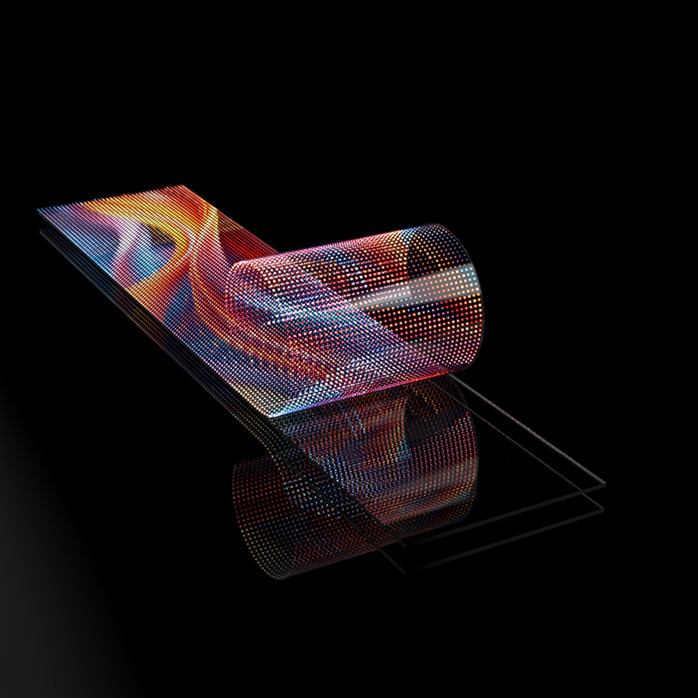
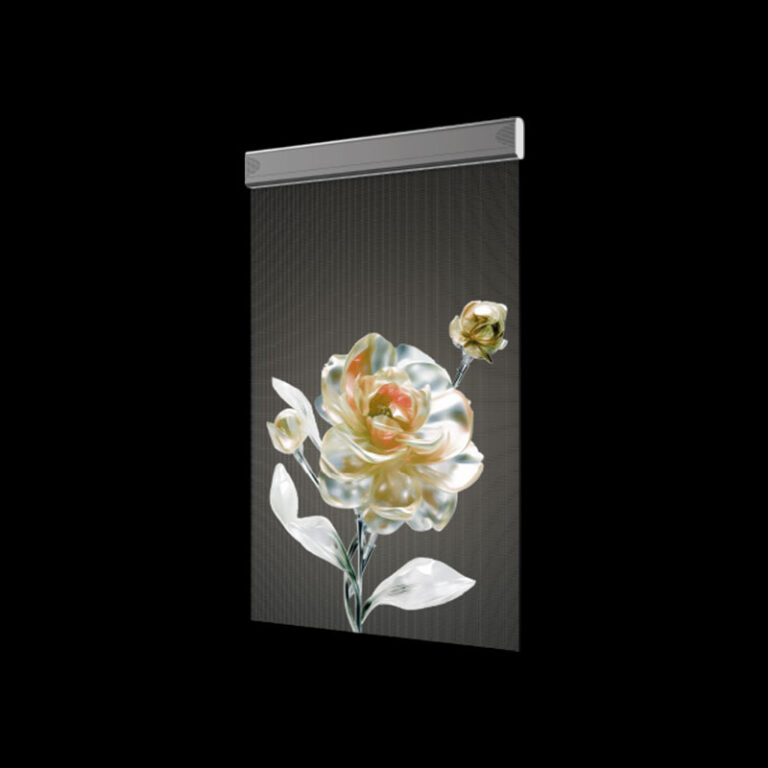
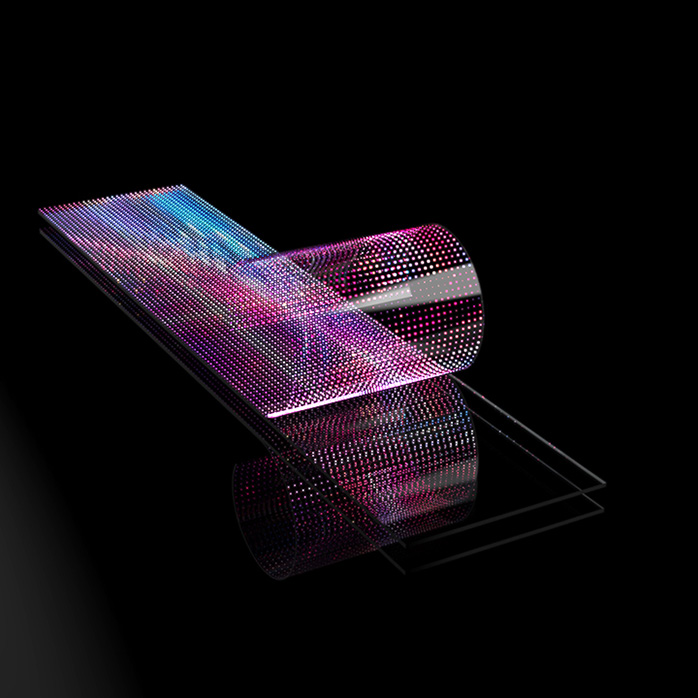
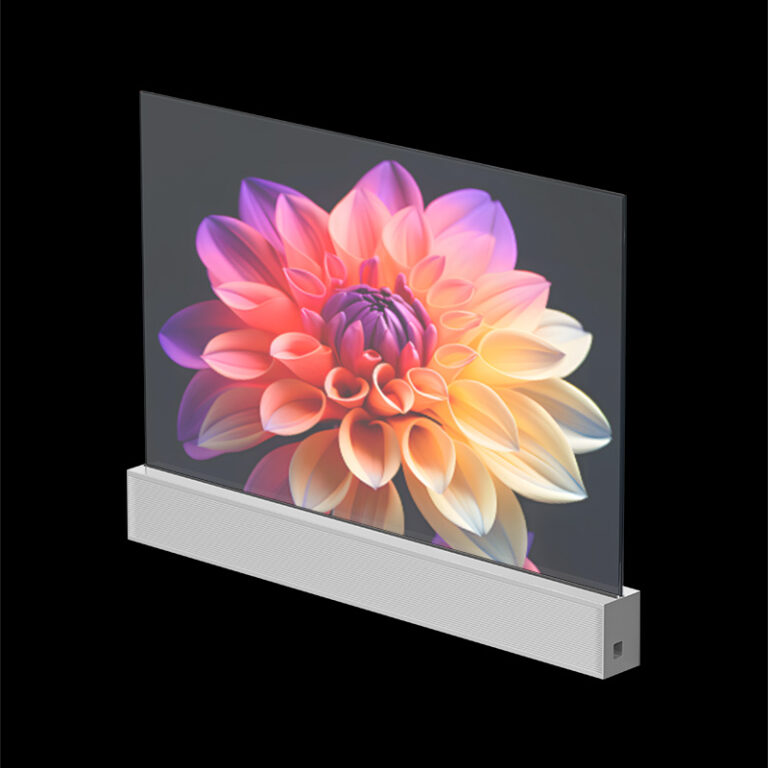
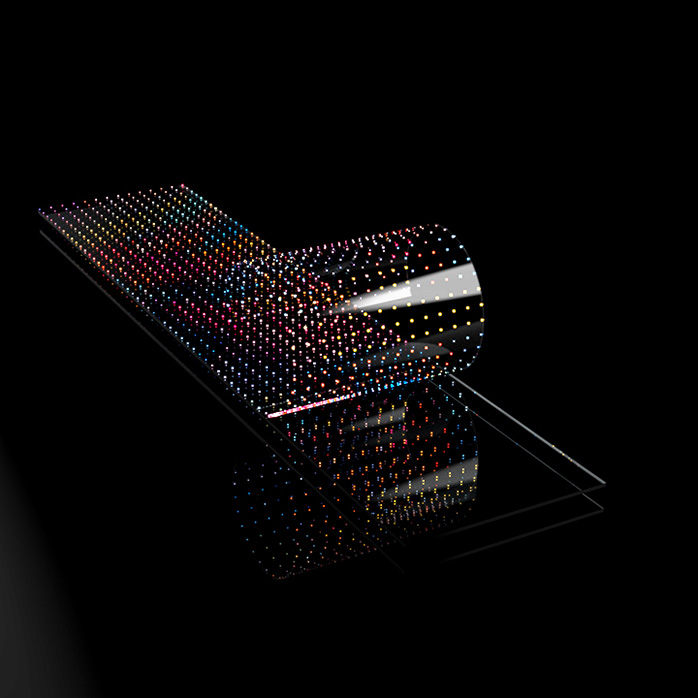
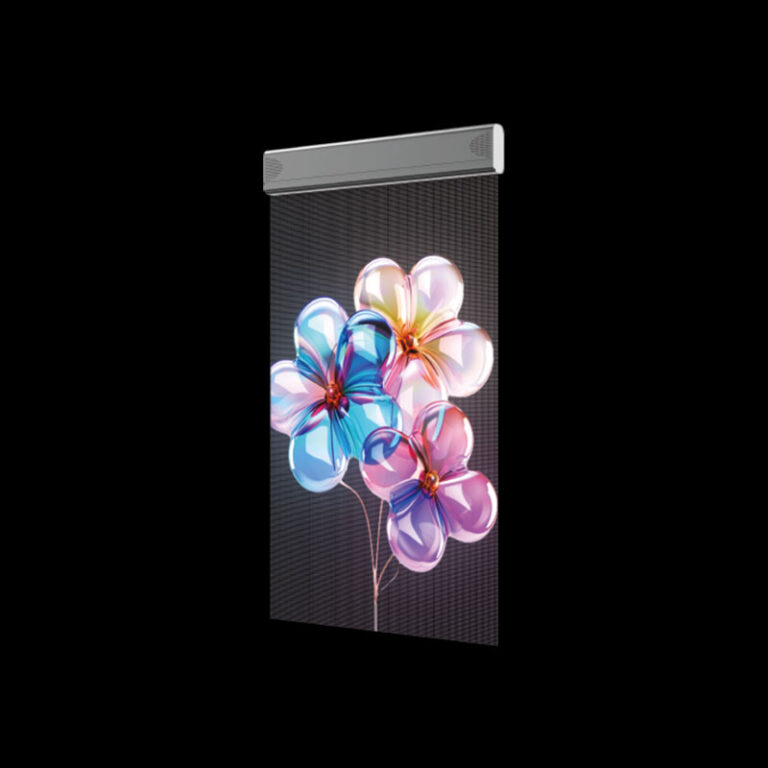
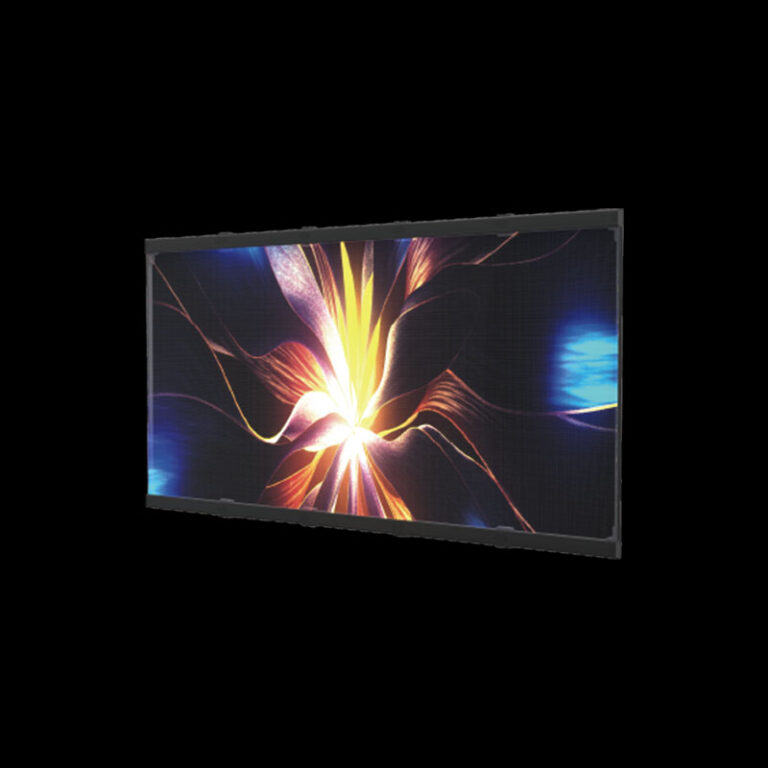
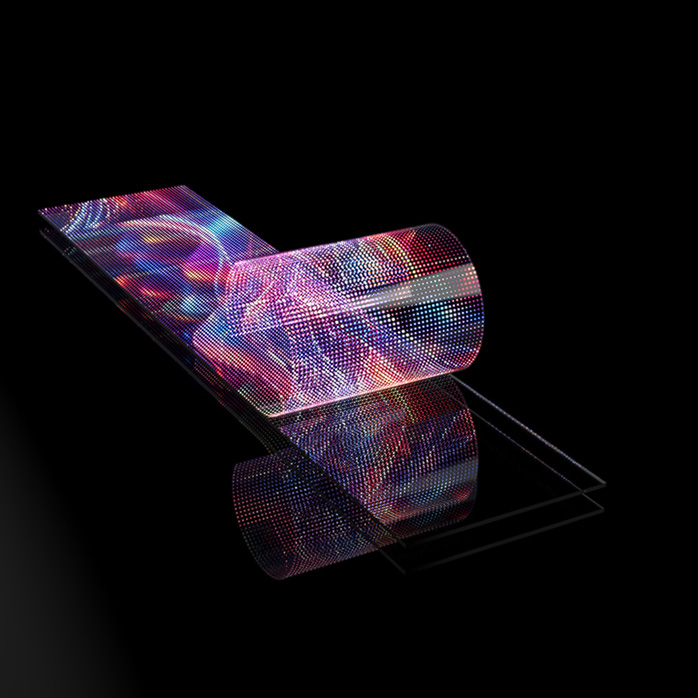
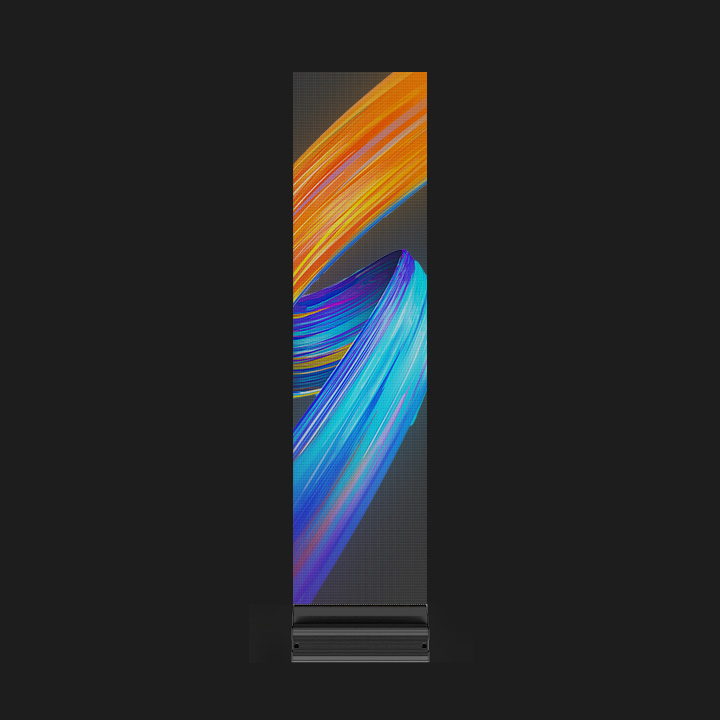
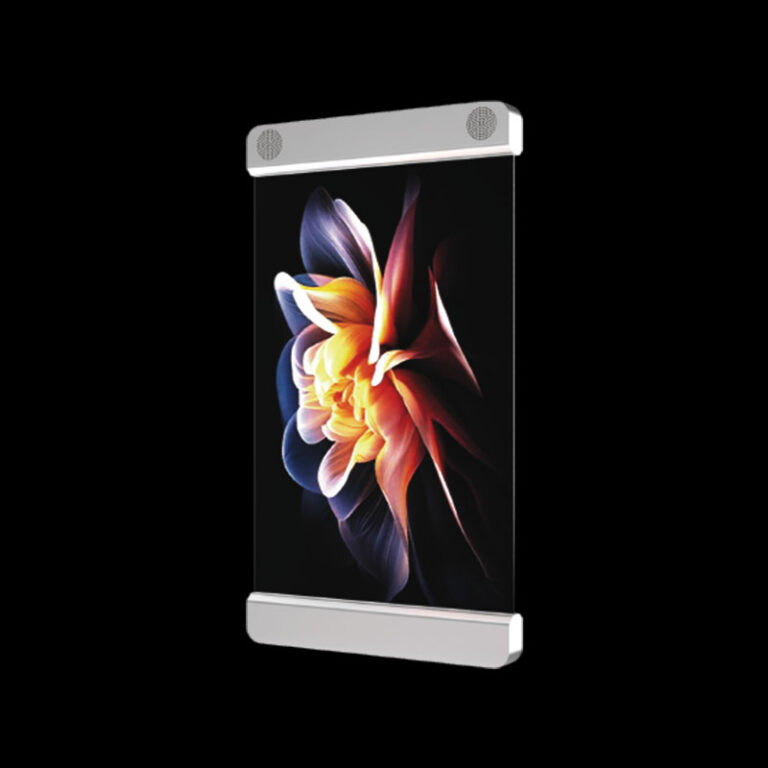
As a technology-driven enterprise under Hainan Xinshi Group, specializing in the LED transparent display field, TranStarX (Shenzhen) Co., Ltd. has developed its Crystal Core Transparent Screen series (including models such as TSX-JXIVW-P3.75A, TSX-JXIVW-P5.0A, and TSX-JXIVW-P6.0A) based on its independently researched and developed core COB packaging technology. With core advantages of “minimum 0.4mm lamp bead pitch, 92%-95% ultra-high light transmittance, keel-free mounting design, and power consumption as low as 3% of traditional screens,” these products completely break the industry limitation of “display equals obstruction.” They are widely applicable to multiple scenarios such as commerce, cultural tourism, cultural heritage, and retail, providing users with digital display solutions featuring “transparent invisibility, floating content, and energy efficiency.” Below is a detailed explanation of the product application and implementation path of Crystal Core Transparent Screens from four dimensions: application scenarios, scheme design, implementation guarantee, and value highlights.
I. Core Application Scenarios and Customized Scheme Design
Based on the product characteristics of Crystal Core Transparent Screens – “high transparency, splicable, lightweight, and adaptable to multiple environments” – differentiated application schemes are formulated according to the core needs of different industry scenarios, ensuring that product performance is deeply aligned with scenario value.
(I) Commercial Window Advertising Scenarios: Creating a Traffic-Driving Window with “Exhibit + Screen Display” Linkage
1. Scenario Needs and Pain Points
Traditional window advertising mostly uses static posters or ordinary LED screens, which have problems such as “obstructing the view of exhibits, lack of dynamic images, and high replacement costs.” It is difficult to attract passersby’s attention, especially for industries that rely on visual display (such as luxury goods, jewelry, and consumer electronics), failing to effectively convey product details and brand tone.
2. Crystal Core Transparent Screen Scheme Design
- Product Selection: Prioritize Crystal Core Transparent Screens TSX-JXIVW-P3.75A (95% transmittance) and TSX-JXIVW-P5.0A (92% transmittance) for small and medium-sized windows of 2-10㎡. For windows larger than 10㎡, seamless splicing can be achieved by horizontally/vertically joining screens (supporting a maximum single-direction display size of 2.4 meters) to ensure image integrity.
- Mounting Method: Adopt a keel-free mounting process – the screen is directly attached to the inner side of the window’s existing glass (supporting glass thickness of 5-12mm) without damaging the window structure. After installation, the screen is only 3mm thick, achieving “visual invisibility” and not obstructing exhibits (such as luxury handbags, jewelry, and digital products) in the window, realizing the overlapping effect of “physical exhibits + dynamic screen content.”
- Content Design: Customize dynamic content based on brand needs – for luxury windows, play videos of product craftsmanship details (e.g., leather sewing processes, diamond cutting demonstrations) with superimposed brand logos and short copy (e.g., “Craftsmanship, Limited Edition”); for digital product windows, play product function demonstrations (e.g., mobile phone photography effects, laptop portability) with interactive QR codes for “scan to learn more,” guiding passersby to scan and jump to online stores.
- Supporting Functions: Install an infrared sensor module – when passersby approach within 1-3 meters of the window, the screen automatically switches from static images to dynamic videos; when no one is nearby, it reverts to a low-power static mode (reducing power consumption by 60%), balancing traffic-driving effects and energy-saving needs. Remote content updates are supported: through a cloud control system (compatible with Windows/Android systems), the brand headquarters can push advertising content to windows of different stores in real time, avoiding the cost and delay of manual material replacement.
3. Scenario Value
- Visual Traffic Driving: With 95% ultra-high transmittance, screen content seems to “float above the exhibits.” The linkage between dynamic images and physical exhibits increases passersby attention by over 40%, helping to boost store entry rates by 28% (refer to TranStarX’s luxury window cooperation cases).
- Cost Optimization: Remote content updates replace traditional poster production and replacement, saving 30%-50% in material and labor costs annually; the low-power feature (daily power consumption is only 1/3 of traditional LED screens) significantly reduces long-term operating costs.
(II) Commercial Complex Building Curtain Wall Scenarios: Building a City Landmark with “Transparent by Day, Brilliant by Night”
1. Scenario Needs and Pain Points
Traditional building curtain walls are mostly purely decorative structures with single functions. If modified with ordinary outdoor LED screens, they have issues such as “low transmittance (≤50%), obstructed building lighting, heavy weight (≥20kg per square meter), and high power consumption.” This not only affects the aesthetic appearance of the building but also increases property operating costs and building load pressure.
2. Crystal Core Transparent Screen Scheme Design
- Product Selection: Choose the outdoor version of Crystal Core Transparent Screen TSX-JXIVW-P6.0A (IP65 protection level, resistant to high and low temperatures from -30℃ to 60℃). A single screen supports a size of 1.2m×2.4m and can be flexibly spliced according to the curtain wall area (supporting large-scale display of thousands of square meters), adapting to scenarios such as commercial complex facades and podium curtain walls.
- Mounting Structure: Adopt a lightweight suspension mounting method – the screen is fixed to the outer side of the curtain wall glass via customized aluminum alloy brackets (bracket weight ≤2kg/㎡). The total weight of the screen + bracket is ≤8kg/㎡, much lighter than traditional LED screens, eliminating the need for additional building structure reinforcement. The splicing gap between screens is ≤0.5mm, ensuring seamless image connection when the screen is lit at night; during the day, the high transmittance (92%) allows it to blend with the glass curtain wall, without affecting indoor lighting or the building’s exterior texture.
- Content Planning: Customize screen content by time period – from 8:00 to 18:00 (daytime), play low-brightness static content (e.g., brand logos, public welfare slogans) with brightness adjusted to 1500nits (avoiding dazzling images in strong light), balancing brand exposure and building transparency; from 18:00 to 22:00 (nighttime), increase brightness to 3000nits and play dynamic light shows, commercial event promotions (e.g., mall sales, brand launch previews), and city cultural themed content (e.g., local historical stories, folk custom animations) to create an immersive visual experience.
- Operation and Maintenance Guarantee: Equip an intelligent environment monitoring module to collect real-time outdoor temperature, humidity, wind force, and light intensity data, automatically adjusting screen brightness and heat dissipation modes (activating automatic cooling fans at high temperatures, and heating protection at low temperatures). The screen surface uses an anti-glare coating to avoid nighttime light glare affecting nearby residents. Remote fault monitoring is supported – the background provides real-time early warnings for issues such as lamp bead damage and circuit faults, allowing the operation and maintenance team to quickly locate and repair problems, ensuring an annual failure rate of ≤2%.
3. Scenario Value
- Commercial Value Added: Transform the building curtain wall into a “dynamic advertising medium,” bringing advertising rental income to the commercial complex (annual advertising income for a single 100㎡ curtain wall can reach 500,000-1,000,000 yuan) while enhancing the complex’s brand reputation and increasing customer attraction by 35%.
- Energy Saving and Consumption Reduction: The IP65 protection level adapts to harsh outdoor environments, with a product service life of 8-10 years; the low-power feature (daily power consumption per square meter ≤5 kWh) saves over 60% in annual electricity costs compared to traditional outdoor LED screens.
(III) Museum/Science and Technology Museum Exhibition Scenarios: Realizing Smart Exhibitions with “Cultural Relic Protection + Immersive Interpretation”
1. Scenario Needs and Pain Points
Traditional exhibitions in museums and science and technology museums mostly rely on text explanation boards and guides, with problems such as “single information transmission, weak audience interaction, and strict cultural relic lighting protection.” Ordinary LED screens produce strong direct light and electromagnetic interference, making them unsuitable for cultural relic display cabinets; static explanations cannot intuitively present complex information such as the historical background of cultural relics and scientific principles, especially failing to attract young audiences.
2. Crystal Core Transparent Screen Scheme Design
- Product Selection: For cultural relic display cabinet scenarios, select the indoor version of Crystal Core Transparent Screen TSX-JXIVW-P3.75A (adjustable brightness of 500-1000nits, no electromagnetic radiation). Screen sizes are customized according to display cabinet dimensions (supporting a minimum size of 0.5m×0.8m and a maximum size of 2m×2.4m); for large exhibition wall scenarios, multiple TSX-JXIVW-P5.0A screens are spliced to form an immersive exhibition space.
- Mounting Method: For cultural relic display cabinets, embedded mounting is adopted – the screen is fixed to the inner side of the display cabinet glass (maintaining a safe distance of ≥30cm from cultural relics). With 95% transmittance, it does not affect the audience’s intuitive viewing of cultural relics; for exhibition walls, keel-free splicing is used – the screen is attached to the surface of the exhibition wall glass, with an overall thickness of ≤5mm, occupying no exhibition space and adapting to the simple and solemn spatial style of museums.
- Content and Interaction Design:
- Cultural Relic Interpretation: Play dynamic interpretation content of cultural relics – for example, in a bronze vessel display cabinet, synchronously play “bronze casting process animations” with annotations on the meaning of cultural relic patterns and historical background; in a calligraphy and painting display cabinet, play “calligraphy and painting creation process restoration videos” with guide narration (supporting multi-language switching), allowing the audience to deeply understand the value of cultural relics.
- Interactive Experience: Integrate capacitive touch functions – the audience can tap the screen to switch interpretation content (e.g., “view detailed images of cultural relics from different angles,” “learn comparative information of similar cultural relics”); in youth exhibition areas, design “cultural relic knowledge Q&A” interactive modules – after answering correctly, interesting stories about cultural relics are unlocked to enhance audience participation.
- Lighting Protection: Through an intelligent control system, the screen brightness is linked to ambient light intensity. When the light intensity in the display cabinet exceeds the cultural relic protection standard (e.g., ≤50lux for calligraphy and painting), the screen automatically reduces brightness to 300nits to avoid damage to cultural relics from strong direct light.
3. Scenario Value
- Experience Upgrade: Dynamic content + interactive functions make exhibitions more attractive, extending the visiting time of young audiences by 55% (refer to TranStarX’s museum cooperation cases) and increasing the audience’s memory of cultural relic information by 40%.
- Safety and Compliance: The non-electromagnetic radiation and low adjustable brightness design fully comply with the Code for Lighting Design of Museums (GB/T 23863-2009), balancing exhibition effects and cultural relic protection needs.
(IV) Automobile 4S Store Showroom Scenarios: Creating an Immersive Car-Buying Experience with “Vehicle Display + Function Demonstration”
1. Scenario Needs and Pain Points
Traditional automobile 4S store showrooms mostly use static vehicle displays + paper brochures, which cannot intuitively showcase core selling points such as car interior details, intelligent functions (e.g., autonomous driving assistance, in-vehicle systems), and safety performance. Ordinary LED screens occupy showroom space, and their images lack linkage with vehicle displays, making it difficult for consumers to establish a connection between “vehicle characteristics and usage scenarios.”
2. Crystal Core Transparent Screen Scheme Design
- Product Selection: Choose Crystal Core Transparent Screen TSX-JXIVW-P5.0A (92% transmittance, 2000nits brightness, adapting to the bright showroom environment). A single screen has a size of 1.5m×2.0m and is installed on the glass wall behind or beside the vehicle display area, or customized into a curved screen around the displayed vehicle (supporting curved mounting with a maximum radius of curvature of 1.5m).
- Mounting and Content Design:
- Vehicle Background Linkage: The screen plays scenario-based content matching the displayed vehicle – for example, playing outdoor off-road scenario videos for SUV models, and dynamic data on charging convenience and range for new energy vehicles, allowing consumers to intuitively perceive the vehicle’s applicable scenarios. At the same time, core vehicle parameters (e.g., “0-100km/h acceleration in 6.8 seconds, wheelbase of 2900mm”) are superimposed to replace traditional paper parameter cards.
- Function Detail Demonstration: Through split-screen display technology, the left screen plays highlights of the car’s exterior design (e.g., “streamlined body reduces wind resistance coefficient to 0.28”), and the right screen plays interior details (e.g., “leather seat stitching process, panoramic sunroof opening effect”). Combined with the salesperson’s explanation, consumers can clearly understand the vehicle’s advantages.
- Interactive Consultation: QR codes for “scan to book a test drive” and “consult a sales consultant” are set at the bottom of the screen. Consumers can scan the code to leave contact information or directly connect with an exclusive salesperson, realizing a seamless connection between “exhibition viewing, consultation, and test drive.”
3. Scenario Value
- Conversion Rate Improvement: Scenario-based content + detail demonstrations help consumers quickly understand the vehicle’s value, shortening the car-buying decision cycle by 30% and increasing the consultation conversion rate of displayed vehicles by 25%.
- Space Optimization: The keel-free mounting + high transparency design does not occupy showroom space, maintaining a clean and high-end visual style of the showroom and enhancing the brand image.
II. Full-Process Guarantee for Scheme Implementation
To ensure the efficient implementation and stable operation of the Crystal Core Transparent Screen application scheme, TranStarX has established a full-process service system covering “demand research, scheme design, production and delivery, installation and commissioning, and after-sales maintenance,” spanning the entire project lifecycle.
(I) Early Stage: Demand Research and Scheme Customization
- In-Depth Demand Docking: Arrange a special team of “product consultants + technical engineers” to communicate with customers about the application scenario (e.g., window size, curtain wall structure, display cabinet specifications), core needs (e.g., traffic driving, knowledge transmission, brand display), budget scope, and project schedule requirements. A Demand Research Report is formed to clarify the basis for scheme design.
- Visual Preview: Output a 3D scenario modeling scheme based on needs, simulating the display effect of the Crystal Core Transparent Screen after installation (e.g., the overlapping effect of “exhibits + screen display” in windows, the day/night visual effect of curtain walls), and generate a preview video. This helps customers predict the scheme’s implementation effect in advance and optimize scheme details (e.g., adjusting screen size, optimizing content logic) based on feedback.
(II) Middle Stage: Production, Delivery, Installation, and Commissioning
- Standardized Production: According to the product model and parameters specified in the scheme, start the COB packaging process production line, and strictly implement the three-level quality inspection of “incoming raw material inspection, in-production patrol inspection, and final product outgoing inspection.” Ensure the lamp bead pitch error of the screen is ≤0.1mm and the transmittance meets standards (e.g., TSX-JXIVW-P3.75A ≥95%), with the production cycle controlled within 7-15 working days (for regular orders).
- Customized Logistics and Installation:
- Logistics: Adopt customized packaging of “thickened foam + wooden frame” to avoid screen damage during transportation; arrange logistics companies with fragile goods transportation qualifications and provide synchronous logistics tracking services to ensure products are delivered to the project site on time.
- Installation: Dispatch a professional installation team to strictly follow the Crystal Core Transparent Screen Installation Technical Specifications – complete mounting and commissioning for window scenarios within 24 hours, and finish splicing for curtain wall scenarios within 3-7 days depending on the area. After installation, calibrate the screen flatness with a laser level (error ≤0.5mm) to ensure no image distortion.
- Commissioning and Acceptance: After installation, test the screen’s display effect (brightness uniformity, color reproduction), interactive functions (response speed ≤0.3 seconds), and safety performance (circuit insulation), and issue an Installation and Commissioning Report. Invite the customer to conduct joint acceptance; after confirmation, sign the Project Acceptance Form.
(III) Later Stage: After-Sales Maintenance and Operation Support
- Long-Term After-Sales Guarantee: Provide 3 years of free after-sales maintenance services (5-year warranty for core components such as COB lamp beads), with a 7×24-hour service hotline (400-001-2281) to respond to fault requests. On-site maintenance is provided within 24 hours for urban projects and 48 hours for suburban projects, ensuring fault repair time ≤8 hours.
- Regular Inspection and Optimization: Arrange engineers to conduct on-site inspections every quarter, check the screen’s operation status (lamp bead brightness attenuation, circuit aging), and issue an Inspection Report; provide 1 free software upgrade service annually (optimizing display effects and adding new functions) to ensure the scheme adapts to the customer’s long-term operation needs.
III. Core Value Highlights of the Scheme
Technological Leadership: Relying on TranStarX’s independent COB packaging technology, the Crystal Core Transparent Screen has a transmittance of up to 92%-95%, far higher than the industry average (≤80%), with a minimum lamp bead pitch of 0.4mm. It balances image
clarity and transparency, completely resolving the industry contradiction between “display and obstruction.”
- Cost Economy: Keel-free installation reduces building renovation costs by 30%; the low-power feature (power consumption is only 3% of traditional LED screens) lowers long-term electricity costs; remote content updates replace manual material replacement, saving over 50% in annual maintenance costs.
- Scenario Adaptability: Supporting flat/curved splicing and installation in indoor/outdoor environments, it can be customized in size (2-2.4 meters for single-direction display) and functions (touch control, sensing, remote control) according to scenario needs, adapting to the requirements of multiple industries such as commerce, cultural tourism, cultural heritage, and retail.
- Service Professionalism: From scheme design to after-sales maintenance, it provides full-process professional services, with a dedicated project team and technical support to ensure efficient implementation and stable operation of the scheme, reducing the customer’s project risks.
TranStarX Crystal Core Transparent Screens are driven by “technological innovation to enhance scenario value,” and are committed to creating “transparent, energy-saving, and intelligent” digital display solutions for customers in various industries, promoting the upgrading of traditional scenarios to “digital, immersive, and highly interactive” ones. For further customized schemes or product details, please call the service hotline at 400-001-2281, or visit the headquarters of TranStarX (Shenzhen) Co., Ltd. (Building B, Huada Weixin, Fuqiao Third Industrial Zone, Qiaotou, Fuyong Street, Bao’an District, Shenzhen) for an on-site experience.